
The World in 2050: A Glimpse Into the Future
In just 24 years, the calendar will turn to 2050. It may sound far away, yet it is closer than we think. The real question is not whether 2050 will arrive, but what kind of world will exist when it does. Will the vehicles on the streets look the same as today? Will today’s political leaders still represent the type of rulers we know? Or will everything change in ways we can hardly imagine? Scientists and research institutions around the world have already released data and predictions about what the future may look like. Some of these ideas are exciting. Others are deeply unsettling.
The Silent War of 2050
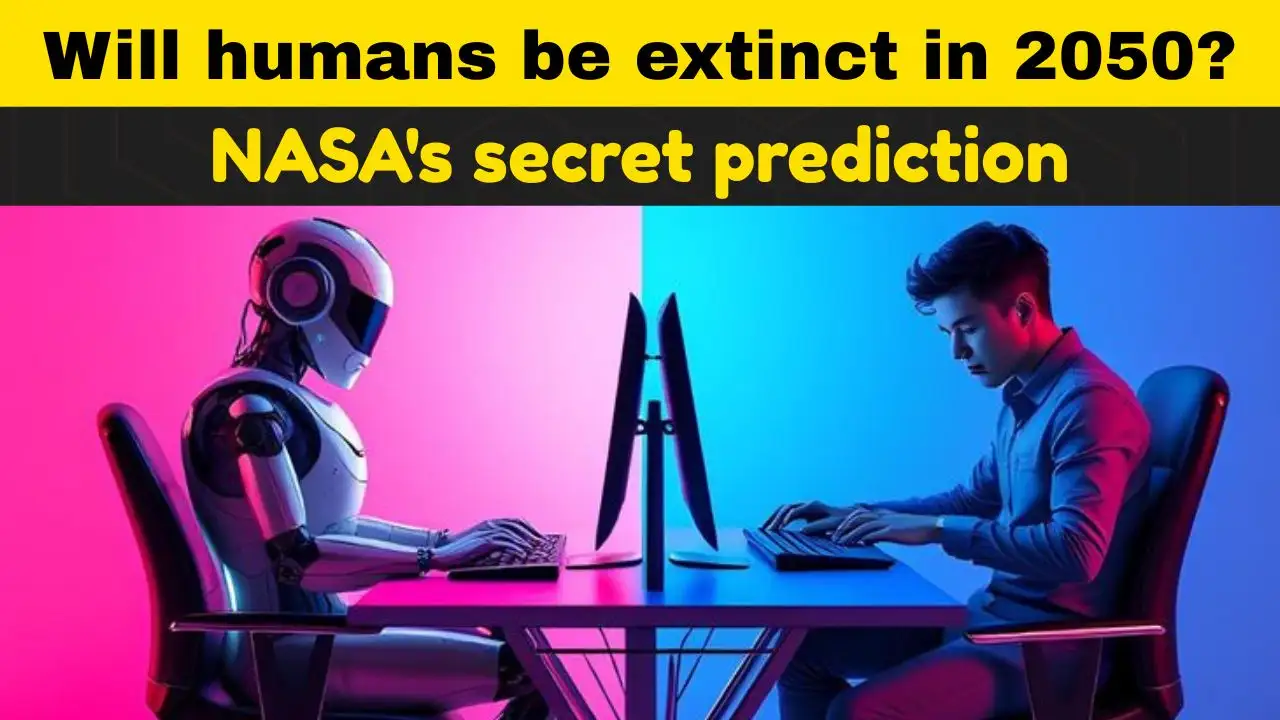
Many people today fear physical wars and global conflicts. However, experts suggest that by 2050, the world may not be dominated by loud, destructive wars. Instead, it may face a “silent war.” This will not necessarily involve weapons and armies but technology, intelligence, data, and economic power. Some scientists even warn that 2050 could mark the decline of humanity as we know it. If that happens, what replaces us? That is the powerful question behind many future predictions.
The Future of Jobs and Artificial Intelligence
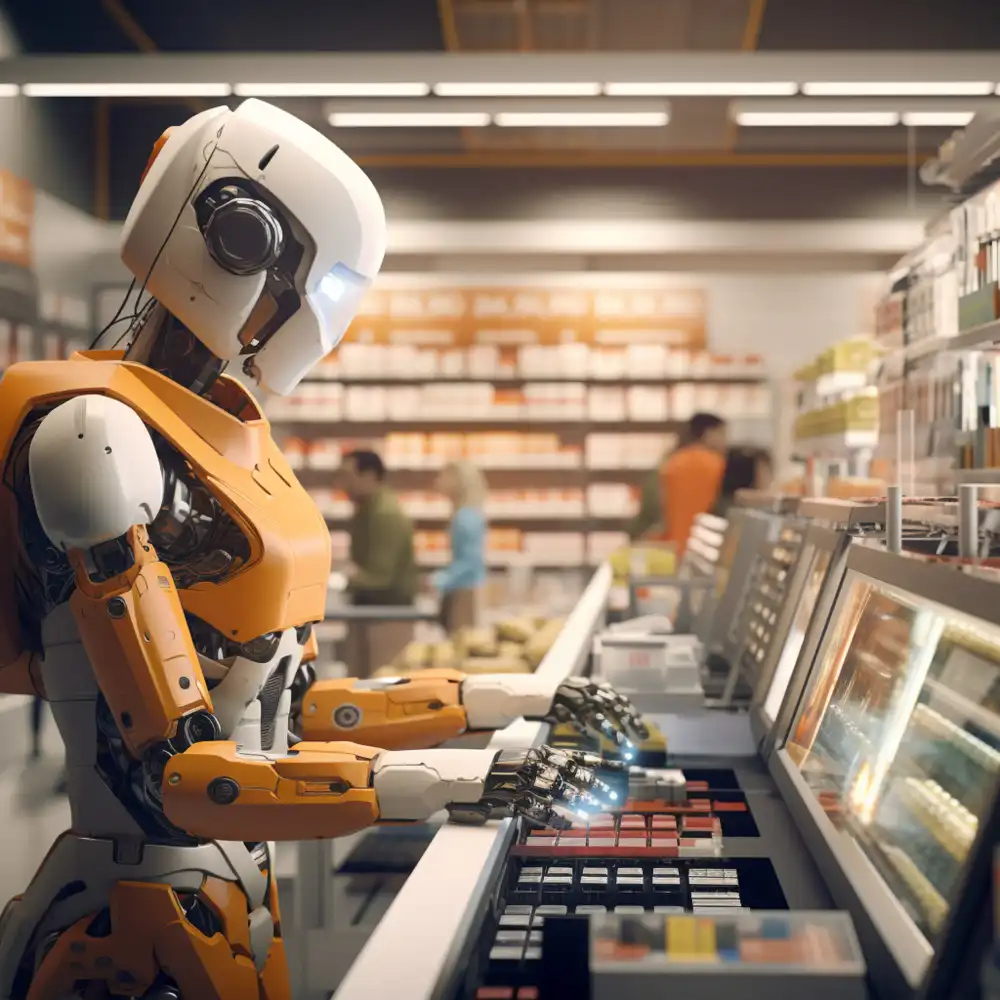
One of the biggest concerns is employment. According to reports from Goldman Sachs, advancements in artificial intelligence could result in up to 300 million jobs disappearing worldwide. A decade ago, people believed robots would take over physical labor such as farming and factory work. Instead, artificial intelligence has moved into creative and intellectual spaces. From writing emails and articles to creating art, music, and videos, AI systems like ChatGPT have already transformed industries.
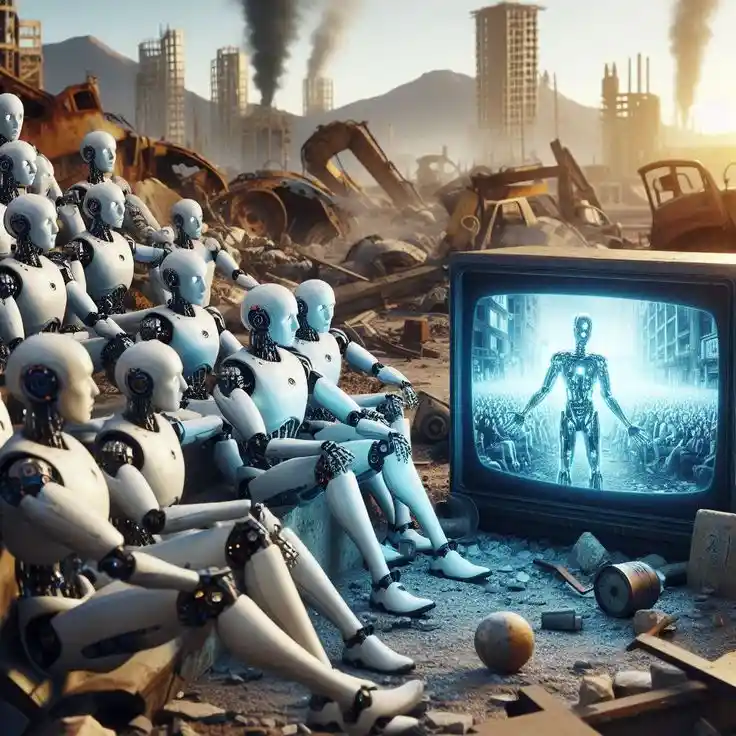
Historian Yuval Noah Harari warns about the emergence of what he calls a “useless class” by 2050. This does not simply mean unemployment. It means becoming economically irrelevant. Compared to traditional wars, this kind of displacement could be even more devastating because it affects identity, dignity, and purpose.
Humans and Machines Becoming One
To compete with advancing technology, scientists suggest that humans must evolve alongside machines. This does not mean becoming robotic in behavior. It means enhancing human capability. Elon Musk, through his company Neuralink, has already begun experiments to connect the human brain directly to computers. Reports indicate that regulatory approvals are progressing.
Experts predict that by 2050, carrying smartphones may no longer be necessary. Information could be directly downloaded into the human brain. Instead of accessing data through screens, people might retrieve knowledge instantly through neural connections. Futurist Ray Kurzweil predicts that by 2045, the world will reach a stage called the singularity, where human intelligence and artificial intelligence merge. In that reality, humans may become cyborg-like beings—human on the outside, but internally supported by computational systems.
How to Win the 2050 Race
Despite these dramatic changes, success in 2050 may not depend on becoming a machine. Instead, it may depend on strengthening uniquely human abilities. Focus, memory, creativity, and emotional stability will be critical. Those who can sharpen their mental strength will have the greatest advantage in this new era. The competition will not just be technological; it will be mental.
Population Growth and Resource Conflicts
By 2050, global population growth will intensify pressure on resources. According to the United Nations, the world population is expected to reach 9.7 billion. That means nearly two billion more people compared to today. Even as technology advances, natural resources—especially fresh water—could become a serious global issue.
Scientists warn that future wars may not be fought over oil, but over fresh water. Climate change could reshape geography itself. NASA has indicated that due to rising sea levels and climate change, certain countries may face severe threats. Nations such as Maldives are often mentioned as vulnerable examples. Resource demand could also shift global power balances and migration patterns.
Leaving Earth: Mars and the Moon
As Earth faces these pressures, some of the world’s wealthiest individuals are looking beyond it. Elon Musk has stated that by 2050, he hopes to establish a human settlement of up to one million people on Mars. Meanwhile, NASA is working through missions like Artemis program to enable humans to live on the Moon. Scientists even speculate that future children might study on another planet and visit Earth only for vacations. What seems like science fiction today may become normal life tomorrow.
Is 2050 Really That Far?
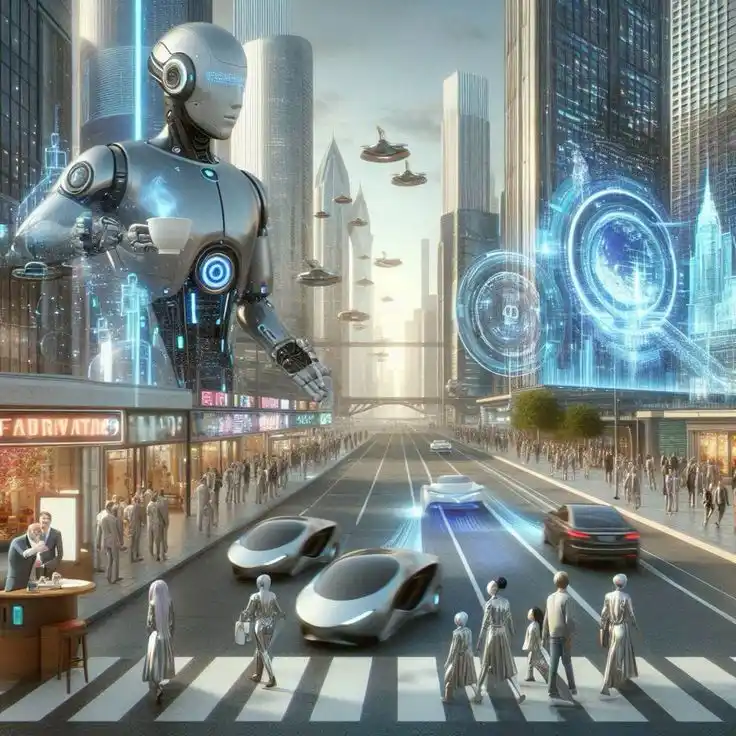
It may be hard to believe that such dramatic changes could happen within 24 years. Yet if we look at the transformation between 2000 and 2026, we see how rapidly technology and society have evolved. The shape of 2050 will depend on how humanity uses technology today. The choices we make now will determine whether Earth becomes more beautiful and sustainable, or whether it becomes a planet people seek to leave behind.
The Power Within You
No matter what global transformations occur, one truth remains: every person holds untapped potential. Some awaken that potential; others allow it to fade. The future will reward those who train their minds, sharpen their focus, and strengthen their resilience. Mental discipline, emotional balance, and creative thinking will be the real assets of 2050.
The world of 2050 may be filled with silent wars, intelligent machines, space colonies, and resource struggles. But above all, it will belong to those who prepare themselves today. The future is not something that simply happens to us. It is something we actively build—through our knowledge, decisions, and courage.
Final Conclusion

The article does not simply predict doom or promise utopia. Instead, it presents two possible paths. On one side, 2050 could be a world of silent wars, economic displacement, environmental crises, and human-machine fusion. On the other side, it could be an era of extraordinary innovation, space exploration, and enhanced human capability.
The deciding factor is not the technology itself. It is humanity’s choices.
If we use artificial intelligence wisely, manage resources responsibly, and strengthen our mental and emotional intelligence, 2050 could be a remarkable chapter in human history. If we ignore these responsibilities, the future could become unstable and unequal.
The final message is simple yet powerful:
The future is not something waiting for us. It is something we are building right now.
How we think, learn, adapt, and act today will determine whether 2050 becomes a world we fear or a world we are proud to live in.