
Weapons banned in world wars
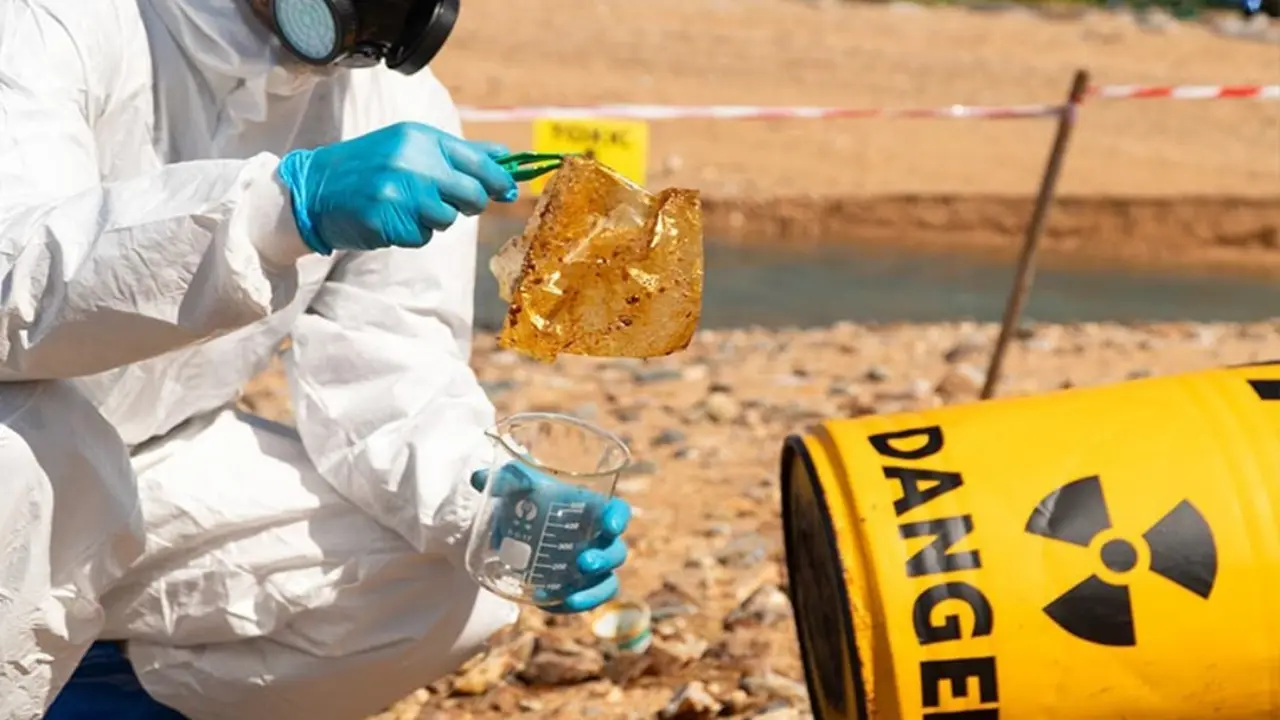
Although war is a conflict between warring countries, it also has international laws and restrictions. Many countries in the world have banned several weapons that cause severe damage to civilians, cause extremely painful and long-lasting effects, especially those that cause severe damage to civilians. International agreements and laws are in force regarding the use of such weapons, and their use can often be considered a war crime.
Chemical weapons.
The use of poisonous gases such as Sarin, Mustard gas, and VX is completely prohibited under the Chemical Weapons Convention. If these are used, people may not be able to breathe, their nervous system may be destroyed, and death may occur within minutes.
Biological weapons
The Biological Weapons Convention prohibits the use of pathogenic viruses or bacteria such as Anthrax, plague, and smallpox in warfare. If these are used, they are considered a serious danger to humanity because they can spread a large epidemic within a country.
Cluster bombs
Many countries have banned these weapons under the Convention on Cluster Munitions. When a cluster bomb explodes, hundreds of small bombs are scattered over a large area. Many of them remain unexploded in the ground, causing harm to civilians even after the war is over.
Anti-personnel landmines
The Ottawa Treaty prohibits the use of landmines that are hidden in the ground against people. Because they remain in the ground for decades, children, farmers and civilians continue to be in danger even after the war is over.
Blinding laser weapons
The Protocol on Blinding Laser Weapons prohibits the use of laser weapons that are intended to permanently blind soldiers.