
The Secret Message That Shook Tehran
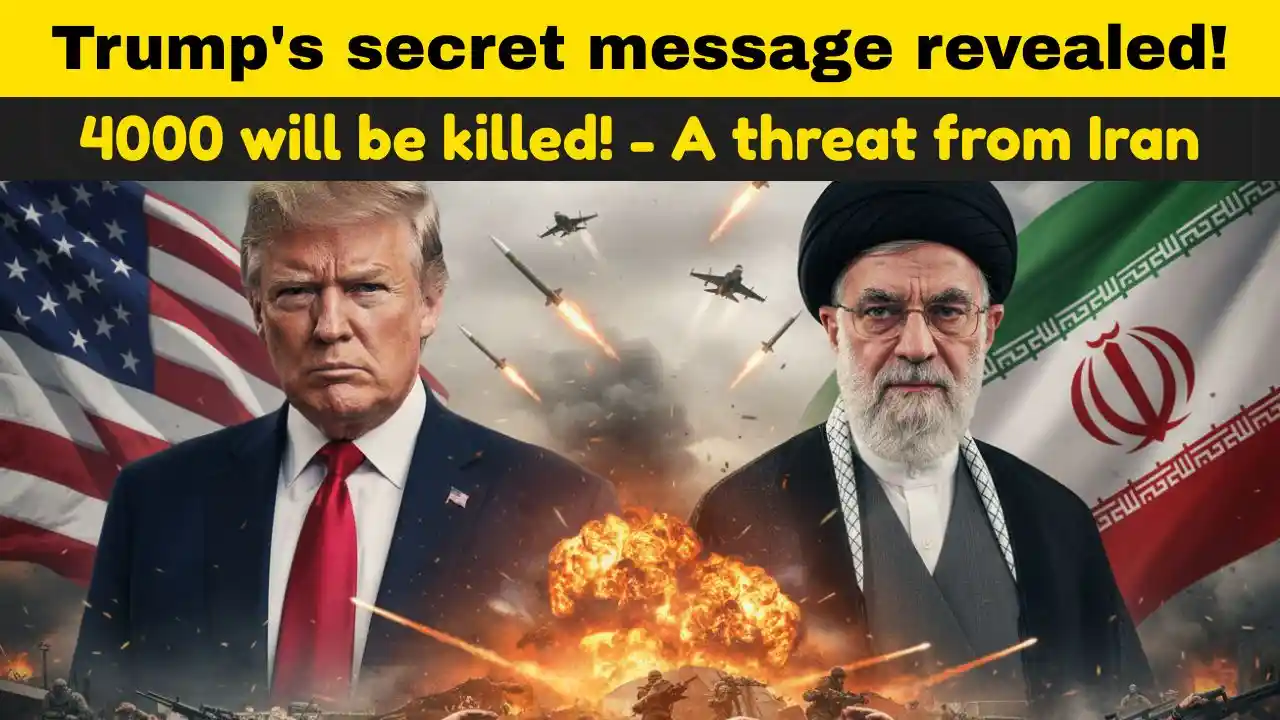
Just days before the peace talks in Oman, a startling revelation emerged through Iranian Parliament member Mahmoud Nabavian. According to Nabavian’s statements to international media, US President Donald Trump sent a secret message to Iran through a confidential envoy before the Oman negotiations began. The message was stark and threatening, indicating that America was prepared to strike two specific locations inside Iran.
However, Iran’s response was far from submissive. The Iranian government warned that if America made even a single mistake, they would launch counterattacks capable of killing 3,000 to 4,000 Americans. Nabavian emphasized that any American military base in the Middle East could become a target for Iranian missiles, underlining the deadly seriousness of Tehran’s position.
The Indirect Talks in Oman
Despite these ominous threats, a glimmer of hope emerged when America and Iran agreed to hold indirect talks in Oman. These were not direct face-to-face negotiations but rather indirect discussions facilitated through Omani representatives. The format worked like this: Omani mediators would first meet with American representatives, hear their positions, and then separately meet with Iranian representatives to convey messages and proposals. Throughout these sessions, American and Iranian officials never sat in the same room together, which is why international media labeled these as indirect talks.
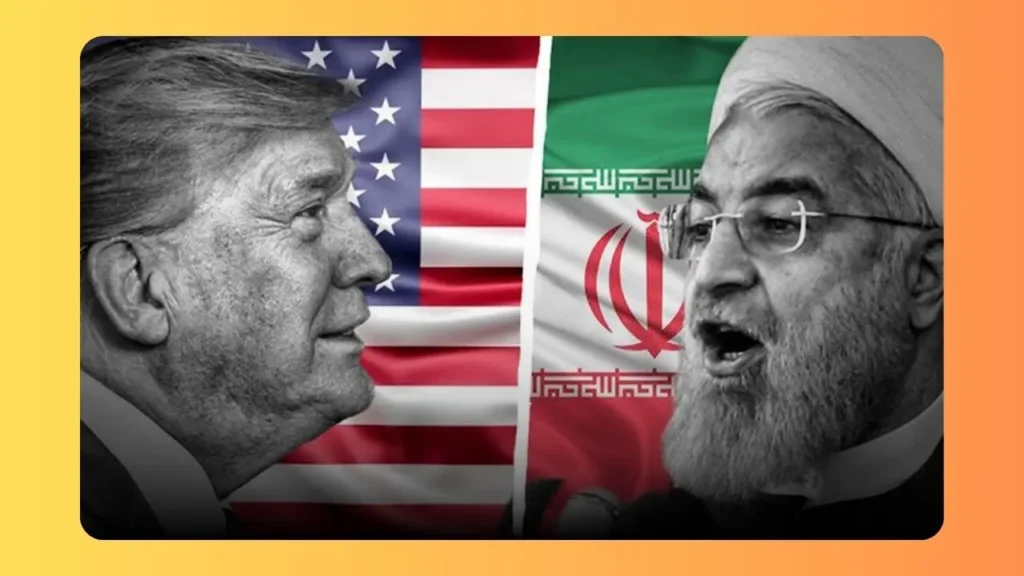
President Trump declared the talks a success, claiming that Iran now showed genuine interest in reaching an agreement. However, the contradictory nature of American actions raised eyebrows across the diplomatic community. While Trump spoke optimistically about peace, he simultaneously ordered some of America’s most advanced warships to sail toward Iranian waters. International observers compared this to holding an olive branch in one hand while gripping a firearm in the other.
Iran’s Position: Peace Yes, Surrender No
Iranian Foreign Minister Abbas Araghchi clarified his country’s stance with unmistakable clarity. Iran remains ready for peace negotiations, but will never compromise on its military defense plans or nuclear program. Araghchi pointed to America’s history of violating agreements and breaking trust as justification for Iran’s firm position. He stressed that while Iran would not walk away from the negotiation table, it would only accept a peace deal that preserves Iranian dignity and sovereignty.
The Iranian leadership’s message was consistent: they desire honorable peace, but discussions about dismantling their defensive capabilities are completely off the table.
Israel’s Opposition to the Peace Process
Not everyone welcomes the possibility of US-Iran reconciliation. Israel has emerged as the most vocal opponent of these peace talks. Israeli Prime Minister Benjamin Netanyahu expressed deep skepticism about any agreement that would leave Iran’s missile program intact. Netanyahu has repeatedly stated that Iranian missiles continue to pose an existential threat to Israel.
The Israeli Prime Minister went further, declaring that Israel possesses the capability to strike Iran with or without American support. He has demanded that any final agreement must address not only Iran’s nuclear program but also its missile development and its support for armed groups like Hezbollah. Netanyahu has made it clear that Israeli F-35 fighter jets remain ready to fly missions against Iran at any moment, adding another layer of complexity to an already volatile situation.
The Next Round and the Fragile Peace

The next round of negotiations is scheduled to take place in Washington on February 12th. However, the atmosphere remains extremely tense. International military analysts warn that the peace between America and Iran hangs by the thinnest of threads. A single miscommunication, an accidental provocation, or a deliberate act by any party could shatter the fragile diplomatic process and ignite a full-scale war.
The current situation is unprecedented in its delicacy. Both nations have positioned their military forces, issued stern warnings, and demonstrated their willingness to use force if necessary. Yet both also recognize that war would be catastrophic for the entire Middle East region and potentially the world.
The Path Forward: Hope or Catastrophe?
The fundamental question remains unanswered: Will Trump’s promised “great deal” materialize into a lasting agreement? Or will Iran make good on its threats and launch devastating attacks against American targets? The international community watches with bated breath, hoping for peace but preparing for the possibility of conflict.
The sound of war drums grows louder each day, and this has become the Middle East’s most pressing concern. What happens in the coming weeks will determine whether diplomacy prevails or whether the region plunges into another devastating conflict. The stakes could not be higher, and the margin for error could not be smaller.
The world hopes for peace, as no one truly desires war. Yet the reality on the ground suggests that both nations are prepared for either outcome. The next moments will be critical in determining which path history takes. Only time will reveal whether this diplomatic initiative represents a genuine breakthrough or merely the calm before a catastrophic storm.
Brief Description
This article examines the precarious state of US-Iran relations as both nations engage in indirect peace negotiations while simultaneously preparing for potential military conflict. It reveals the secret threats exchanged before the Oman talks, explores the contradictory signals from both sides, and analyzes how Israel’s opposition and regional tensions create a powder keg situation where a single misstep could trigger devastating war. The piece provides a comprehensive look at the diplomatic tightrope walk between two adversaries who claim to want peace but remain ready for war.
Pros
Transparency in Diplomacy: Both nations are engaging in dialogue rather than immediate military action, showing some willingness to explore peaceful solutions.
Mediator Involvement: Oman’s role as a neutral facilitator demonstrates that diplomatic channels remain open and functional, even when direct talks are impossible.
Clear Communication: Both sides have clearly stated their red lines and positions, reducing the risk of misunderstandings about core interests.
International Awareness: The public nature of these negotiations allows the international community to monitor the situation and potentially intervene if tensions escalate dangerously.
Mutual Deterrence: The credible military threats from both sides may actually prevent rash actions, as each understands the catastrophic consequences of war.
Cons
Mixed Signals: America’s simultaneous peace talks and warship deployments create confusion and undermine trust in the diplomatic process.
Third-Party Interference: Israel’s vocal opposition and threats of independent military action complicate bilateral negotiations and could sabotage any agreement.
Uncompromising Positions: Iran’s refusal to discuss its missile program and defense capabilities, which are America’s primary concerns, suggests fundamental incompatibility in negotiating positions.
Historical Mistrust: Iran’s reference to past American violations of agreements indicates deep-seated distrust that makes any new deal fragile from the start.
Hair-Trigger Situation: The extreme tension means that accidents, miscommunications, or actions by non-state actors could trigger unintended escalation into full-scale war.
Regional Instability: The involvement of proxy groups like Hezbollah and the broader Middle East context mean that events outside direct US-Iran control could derail peace efforts.
Key Takeaways
Diplomacy Under Duress: Peace negotiations can occur even amid severe threats and military posturing, but success requires genuine commitment from both parties, not just public relations gestures.
The Power of Deterrence: Iran’s specific threat about American casualties demonstrates how smaller powers can use credible deterrence to balance against militarily superior adversaries.
Indirect Negotiation Value: When direct talks are politically impossible, indirect negotiations through trusted mediators can keep diplomatic channels open and prevent complete breakdown of communication.
Regional Complexity: Bilateral disputes in the Middle East are never truly bilateral. Third parties like Israel have significant influence and can complicate or derail agreements between other nations.
The Cost of Broken Trust: Historical violations of agreements create lasting damage to diplomatic relationships, making future negotiations exponentially more difficult and requiring stronger verification mechanisms.
Communication Matters: The contrast between Trump’s optimistic public statements and his simultaneous military deployments shows how contradictory messaging can undermine diplomatic efforts and increase rather than decrease tensions.
Final Message
The US-Iran peace talks represent a critical juncture where the choice between diplomacy and devastation hangs in precarious balance. While both nations publicly express interest in peaceful resolution, their actions reveal preparation for conflict, creating a dangerous contradiction that could easily spiral into catastrophe. The international community must recognize that peace in this situation requires more than just negotiations at a table. It demands consistent messaging, genuine compromise on core issues, management of third-party opposition, and most critically, the political courage on both sides to choose de-escalation over the tempting rhetoric of strength.
The coming weeks will test whether leaders can rise above domestic political pressures, historical grievances, and military posturing to forge an agreement that prevents a war neither side truly wants but both seem increasingly prepared to fight. The world watches not just with hope, but with the understanding that failure here means consequences far beyond the borders of America and Iran. The Middle East has seen enough bloodshed. The question now is whether wisdom and restraint can prevail over pride and power, or whether this fragile moment of diplomatic possibility will be remembered as the last chance that was tragically squandered.
The choice between peace and war is never inevitable. It is always a decision. The responsibility for that decision now rests with those sitting at the negotiating table, and history will judge them accordingly.