
Introduction to Growing Eggplant Seedlings
Eggplants, especially during the seedling stage, are very delicate plants that require special care. Growing strong, high-quality seedlings without mistakes can be challenging, particularly for beginners. Many people love eggplants, but as the saying goes, if you love to ride, you must love to pull the sled. This crop requires patience, attention, and proper technique. If you follow the right steps from the beginning, your effort will reward you with a healthy and productive harvest.
Sowing Timing and Proper Planning
In temperate climates, eggplant seeds are sown no earlier than mid-February. This period usually coincides with the sowing of peppers because they have a similar growing season. Sowing too early, for example in January, causes seedlings to become overstressed in small pots. They stretch excessively and later fail to produce a good harvest.
The ideal age for eggplant seedlings is 60–65 days for planting in open ground and 65–75 days for planting in a greenhouse. In addition, 10–15 days must be allowed for germination and adaptation after transplanting. Timing differs by region. In some areas, seedlings are planted in April, while in others planting takes place in early June. A simple reverse calculation works best: subtract about 2.5 months from the planned planting date and subtract another 10 days for germination. For many temperate climates, this results in sowing in mid-February.
It is very important that the soil is well warmed before transplanting. Planting into cold soil causes severe stress and stops growth for several weeks.
Choosing the Right Container
Eggplants have a weak root system and are very sensitive to picking and transplanting. Sowing directly into peat pots is often considered ideal because seedlings can be planted without disturbing the roots. However, peat pots dry out quickly and may become soggy and moldy with frequent watering.
For this reason, many gardeners prefer plastic cups. When roots fill the soil completely, seedlings can be transferred into larger containers with minimal root damage. If seeds are sown in trays or small bowls, they should be spaced 2–3 cm apart to make transplanting easier. Seedlings are usually transplanted into individual cups when they have 3–4 true leaves.
Seed Preparation and Treatment
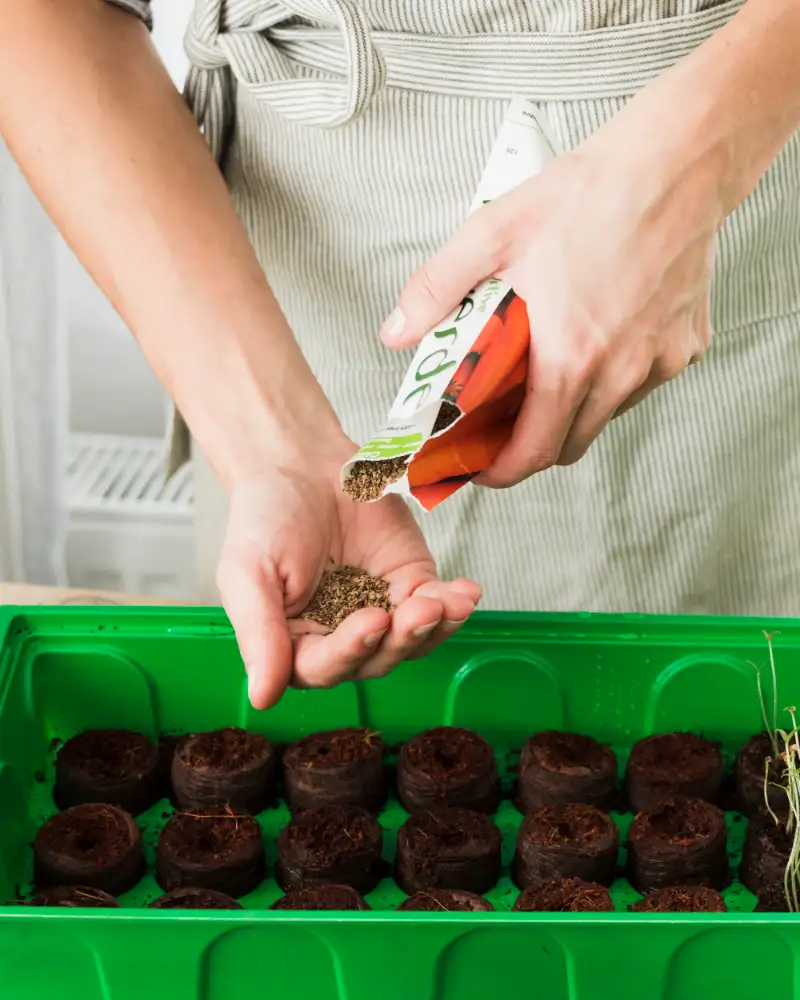
Eggplants are often affected by fusarium and other fungal diseases that are transmitted through seeds. If seeds are not treated by the manufacturer, they must be disinfected. Colored imported seeds usually do not require treatment, but the coating should wash off easily and not completely block the seed.
Seeds can be disinfected in a strong potassium permanganate solution followed by rinsing, or treated with undiluted chlorhexidine or hydrogen peroxide. Biofungicides containing hay bacillus, such as Fitosporin, Fitohelp, Fitop Flora S, Alirin, and Gamair, are also suitable.
Seed Stimulation and Germination
Eggplant seeds germinate slowly, and temperature plays a crucial role. The ideal germination temperature is 28–30°C. If such warmth cannot be provided, additional stimulation is recommended.
Growth stimulants may be hormonal or plant-based. They must be used strictly according to instructions. Biological stimulants include soaking seeds in aloe juice, humic preparations, Zircon, and NV 101. Hormonal stimulants such as Epin and gibberellin-based preparations like Bud and Ovary are considered highly effective. These treatments improve germination speed, increase the germination rate, and help seedlings develop stronger roots.
For germination, seeds can be wrapped in a damp cotton cloth moistened with boiled or melted water, humate solution, or Fitosporin. Keep them at 25–30°C, ideally near a heat source, while monitoring the temperature carefully. Fresh seeds may begin sprouting on the fifth day at 26–28°C. Germinated seeds should be sown immediately.
Soil Requirements and Preparation
Eggplant seedlings require loose and breathable soil. At the early stage, they do not need rich nutrition. In fact, poor soil encourages stronger root development.
The best base is deoxidized high-moor peat. To prevent compaction, add perlite or vermiculite. Coarse river sand can be used if baked beforehand to eliminate pathogens. A small amount of vermicompost improves moisture retention and provides nutrients.
A suitable soil mixture consists of 70% high-moor peat, 20% perlite, and 10% vermicompost. If using ready-made soil based on low-lying peat or garden soil, it is advisable to treat it with products containing hay bacillus or trichoderma in advance.
Proper Sowing Technique

Eggplant seeds are small, similar to tomato seeds, and should be sown at a shallow depth of about 0.5 cm. Seeds can be placed in shallow furrows in moist soil or spread on the surface and covered lightly with loose soil. Press gently to improve contact and moisten with a spray bottle.
Containers should be covered with plastic or glass and placed in a warm location at 27–30°C. Germinated seeds may emerge within one or two days. Ungerminated seeds may take one to three weeks, especially in cooler temperatures. Remove condensation daily to prevent mold.
Seedling Care After Emergence
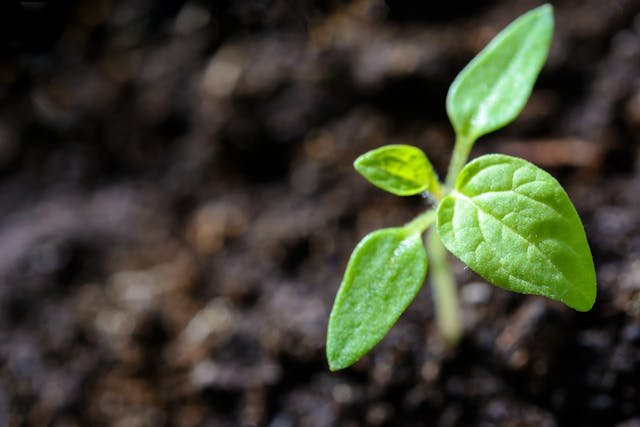
As soon as the first shoots appear, remove the covering. Lower the air temperature to about 20°C and provide strong lighting. Eggplants require long daylight exposure to prevent stretching. For the first seven days, continuous light can be provided.
Later, maintain 14–16 hours of light per day. Night temperatures should be 2–3 degrees lower than daytime temperatures. The optimal daytime temperature is 21–23°C, and nighttime temperature is 18–20°C.
Correct Watering Methods
Eggplant seedlings should not be overwatered. Moderate watering encourages root growth and helps prevent fungal diseases such as blackleg. Allow the soil surface to dry slightly between waterings.
Water at the roots using warm, settled water. Meltwater is especially beneficial. Lightly loosening the soil surface improves air access to the roots.
Fertilization During Seedling Stage
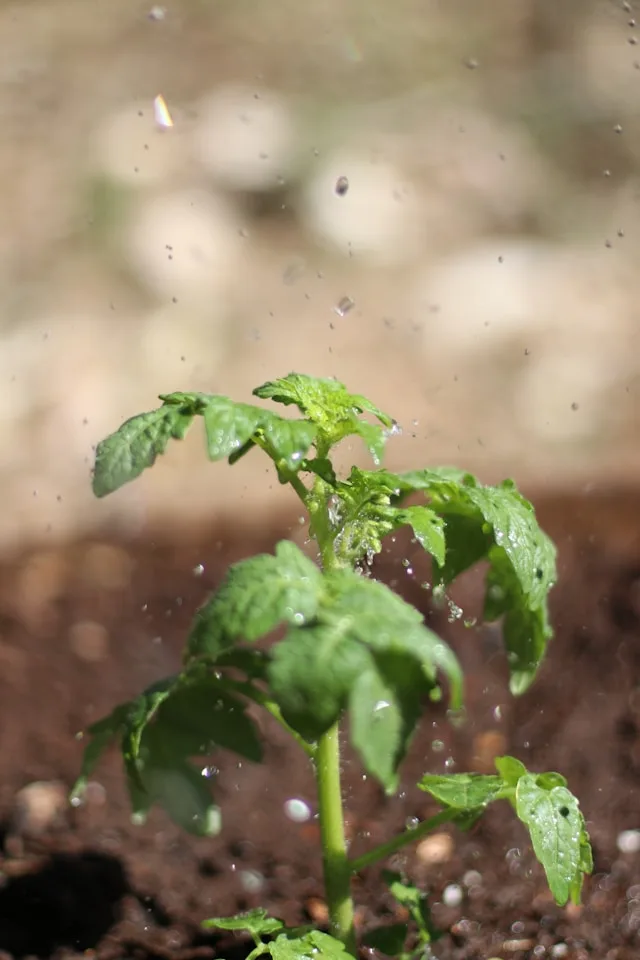
If the soil mixture is properly prepared and enriched, additional fertilization is not necessary during the seedling stage. Healthy plants with strong green leaves indicate sufficient nutrition. If seedlings appear weak or yellowing, a complex organomineral fertilizer labeled for seedlings can be applied.
Transplanting Seedlings
About one month after germination, seedlings are transplanted into larger containers. By this stage, they usually have 2–3 true leaves.
Before moving to a permanent location, seedlings should be around 20 cm tall, with at least 6–7 true leaves, a strong stem, and a well-developed root system.
Planting in a Permanent Location and Care
When transplanting, do not plant eggplants deeper than they were growing in pots. They should remain at the same soil level.
Eggplants are heat-loving plants and grow best at 20–25°C. In temperate climates, it is often necessary to grow them initially under a covering material or greenhouse for protection.
Since eggplants have shallow roots, cultivation and weeding must be done carefully. Root watering helps keep the soil loose and reduces crust formation and weed growth.
Harvesting at the Right Time
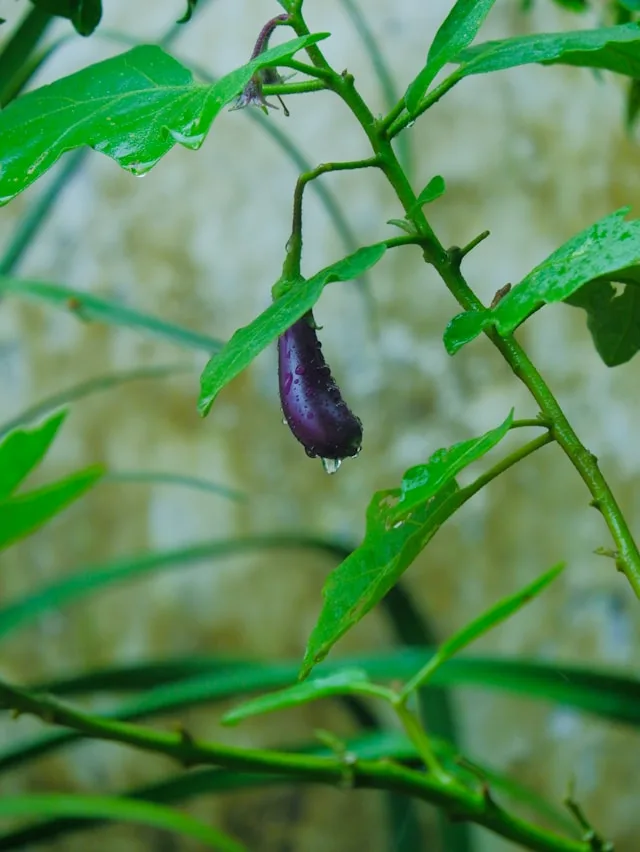
Eggplants should be harvested while still young. Do not wait until they are fully mature. Overripe fruits become bitter and lose their best flavor and texture.
Growing eggplants requires attention from the very first day. From correct sowing time to proper soil preparation, careful watering, and timely harvesting, every step matters. When treated with warmth and patience, these delicate plants reward gardeners with strong growth and abundant harvests. With careful planning and gentle handling, even beginners can successfully grow healthy eggplant seedlings and enjoy the fruits of their effort.