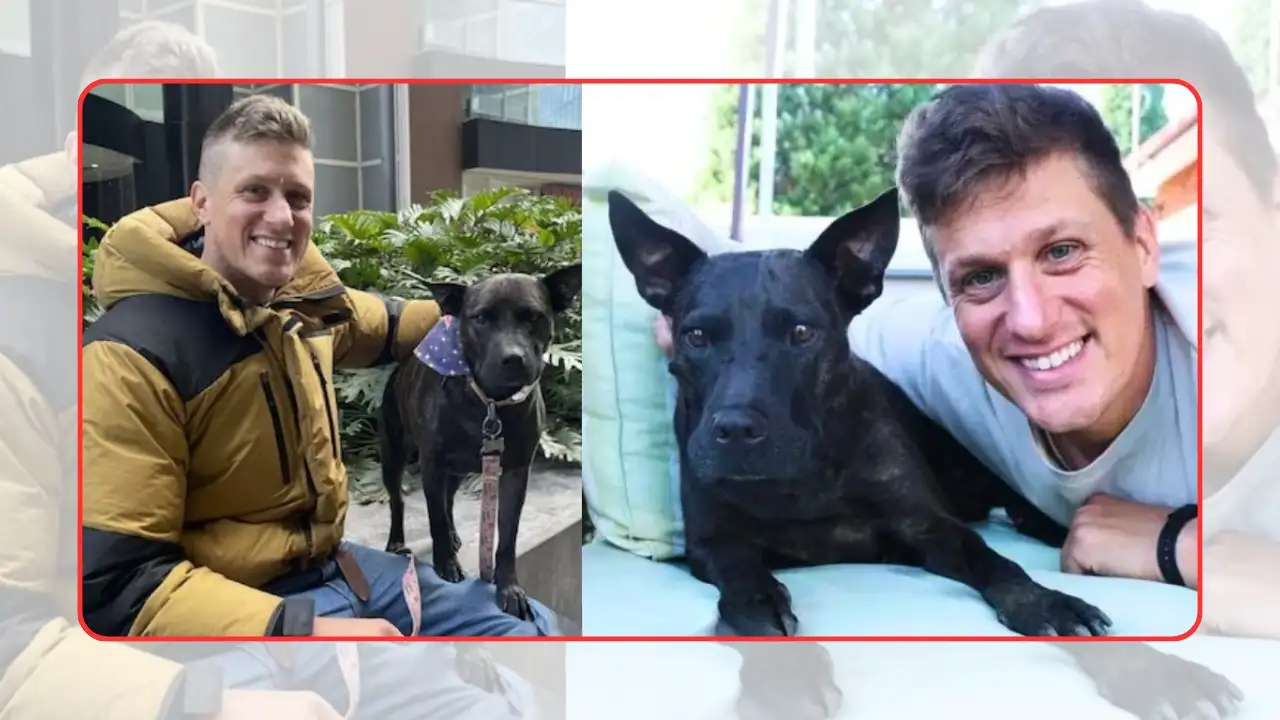

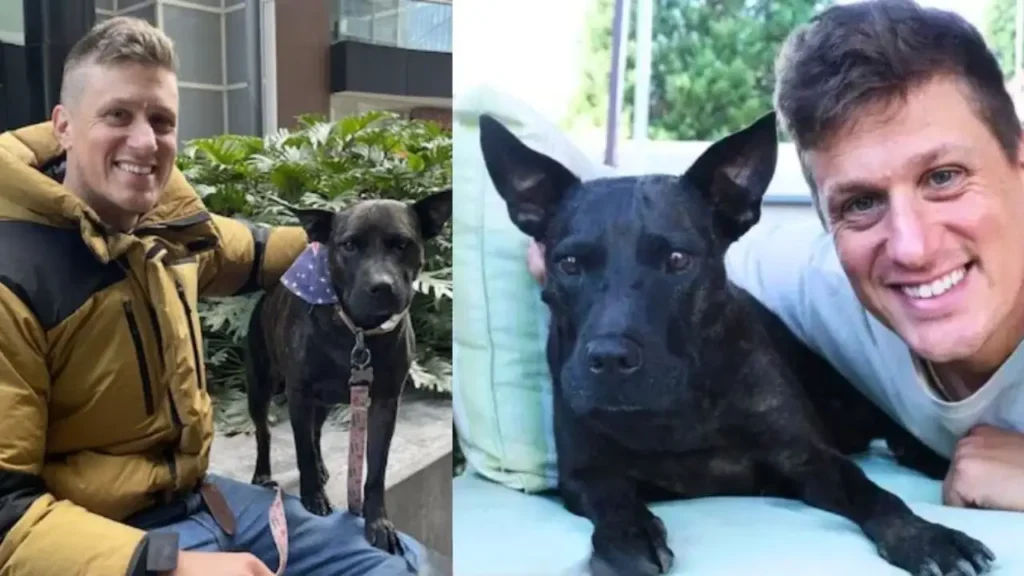
It’s natural for anyone to feel helpless when they learn that their beloved pet is dying of terminal cancer. But Paul Conyngham, a data scientist from Sydney, Australia, was not about to let his beloved dog, Rosie, die. He used the world-renowned artificial intelligence, or ChatGPT, to save Rosie’s life after the vets gave up on her.
Who are Paul Conyngham and Rosie?
Paul Conyngham is a data scientist and machine learning engineer with 17 years of experience. Although he had no prior knowledge of biology, he took on this challenge because of his strong belief in technology. In 2024, his beloved Rosie was diagnosed with a serious cancer called ‘Mast Cell’ and was told by doctors that she had only months to live. Chemotherapy controlled the spread of the cancer, but it did not shrink the tumors in her body.
A fascinating journey where technology and biology came together
Paul first spent US $ 3,000 to have Rosie’s healthy DNA and cancerous DNA sequences tested at the University of New South Wales (UNSW). Then he wanted to analyze this data and create a vaccine that could fight cancer. Here he was assisted by ChatGPT and Google’s ‘AlphaFold’ protein modeling system.
Through these AI tools, Paul was able to identify specific mutations in Rosie’s DNA that caused cancer and find which drug compounds could target them. “We turned her cancer tissue into data. Then, with the help of AI, we analyzed that data and identified the error in the DNA and created a treatment tailored to that,” Paul told the media.
The mRNA vaccine that changed Rosie’s life
With no pharmaceutical company offering to provide experimental drugs for Rosie, Paul took his own AI formula to the UNSW RNA Institute. With the help of scientists there, an mRNA vaccine was developed specifically for Rosie based on that formula.
Rosie was given this first vaccine last December, and by mid-March, the tennis ball-sized tumor on her leg was reported to have shrunk by about 75%. Rosie, who was critically ill and unable to walk in December, was surprisingly able to chase rabbits and jump over fences by January.
A new breakthrough in medicine
According to researchers at the University of New South Wales, this is the world’s first cancer vaccine designed specifically for a dog. “If we can do this for a dog, why can’t we do this for all people with cancer?” This raises the question, says Martin Smith, director of the center.
This incident shows that artificial intelligence is a huge strength for humans.