
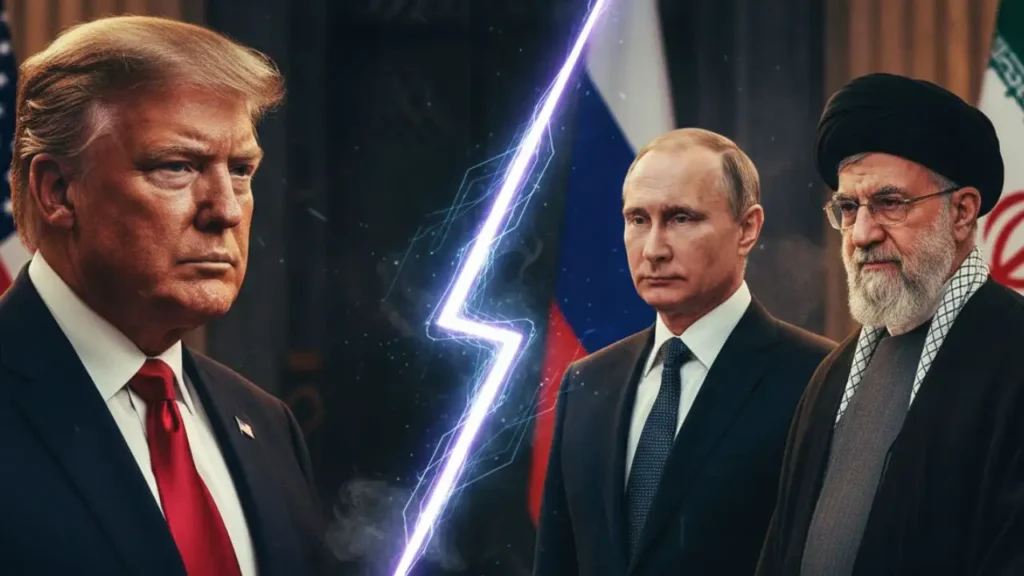
A Warning That Shook Global Politics
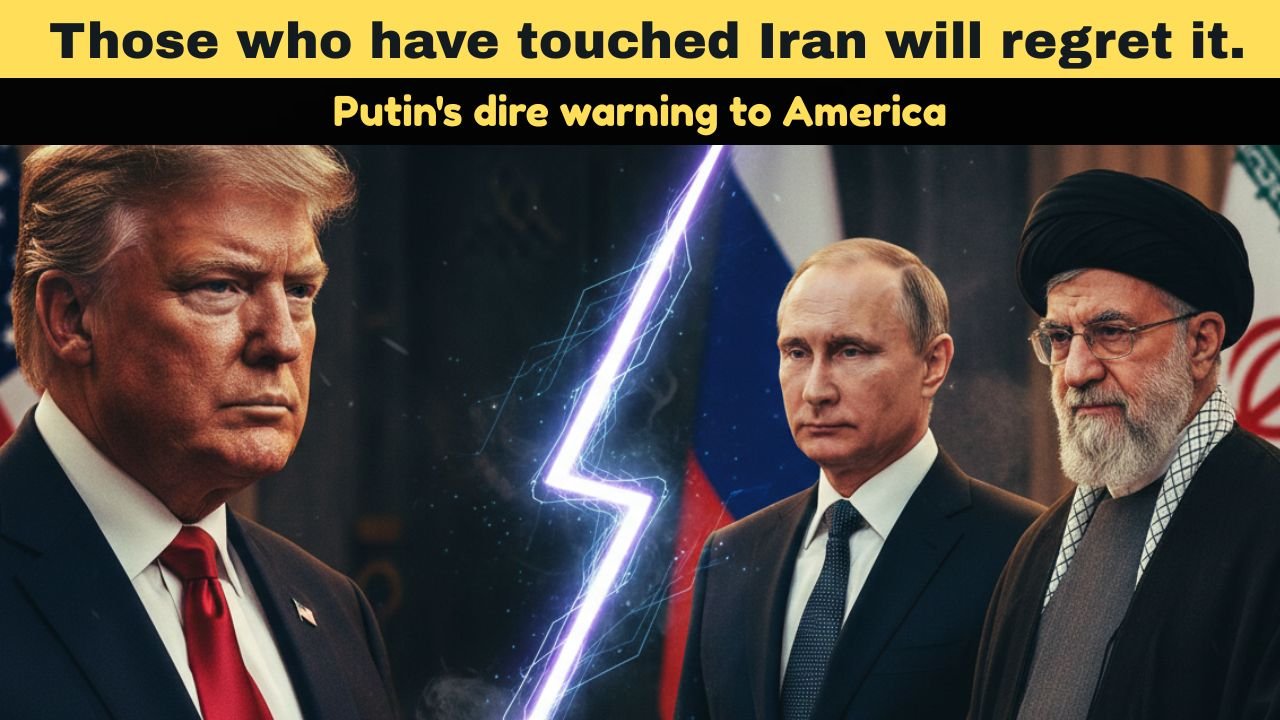
“Do not even think about touching Iran.” This statement is not an ordinary political comment. It is a powerful warning that has shaken the balance of current global politics. At a time when tensions between Iran and the United States resemble a cold war on the verge of turning into open conflict, this warning came from none other than Russia, the country widely recognized as possessing the world’s second most powerful military. Russia has now openly positioned itself in support of Iran, making it clear that any attack on Iran would have consequences far beyond the Middle East.
Many people believe that the agreement between Iran and Russia is an old and symbolic one. That is partly true. The agreement itself is not new, but what makes it alarming is that its provisions are now being implemented in reality. Weapons and advanced military systems mentioned in the agreement are reportedly arriving on Iranian soil. International media reports suggest that even American intelligence agencies have been unsettled by these developments, which have been confirmed through satellite imagery.
The Iran–Russia Strategic Partnership
The agreement between Iran and Russia is a strategic partnership signed in 2025. Although it was signed a year ago, analysts state that it officially entered its operational phase in January 2026. Despite the delay in implementation, elements of the agreement have already begun materializing, with military equipment reportedly landing at Iranian ports. The United States has closely monitored these developments using satellite surveillance, which explains the growing concern within American intelligence circles.
The real source of American anxiety is not the agreement itself, but the four strategic actions Russia is supporting Iran with under this partnership. These four actions significantly change the military balance in the region.
Gaining Control of the Skies
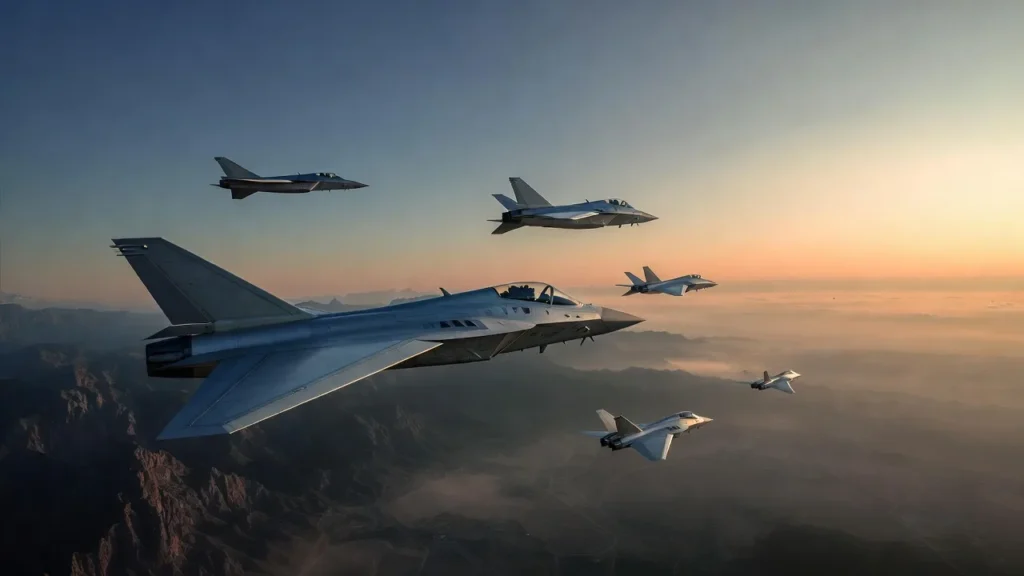
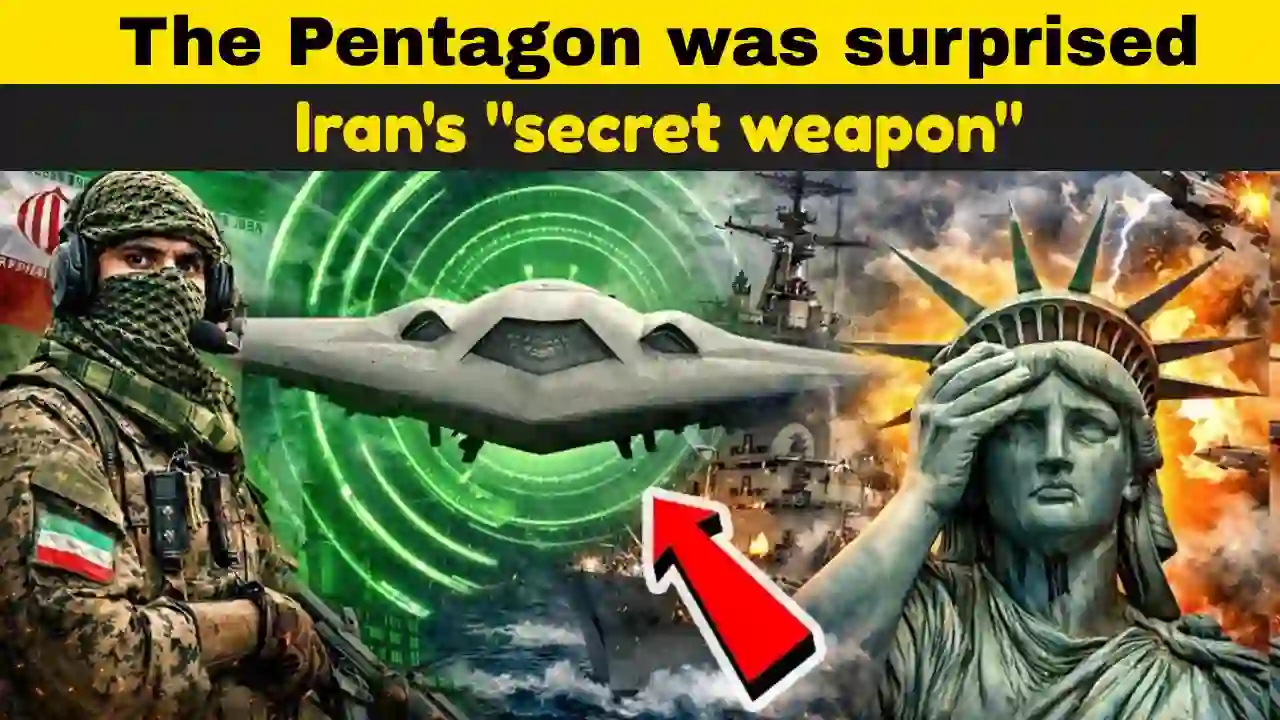
The first and most visible strategic move is air superiority. For years, the United States dismissed Iran’s military capabilities, often claiming that Iran relied on outdated weapons and old air defense systems. That narrative is now changing rapidly. Iran has begun replacing its older systems with Russia’s latest and most advanced air defense and combat aircraft.
Russia has reportedly started delivering its newest fighter jets to Iran. These aircraft are described as extremely fast and technologically superior, with some international reports claiming they outperform American aircraft in certain aspects. In addition, another class of Russian fighter jets has already landed at Iranian airbases, as confirmed by satellite images. This development means that Iran now possesses the capability to intercept and destroy hostile aircraft entering its airspace using modern, advanced technology rather than outdated equipment. This shift was not something the United States or Israel expected, but it has now become a reality.
An Impenetrable Defensive Shield
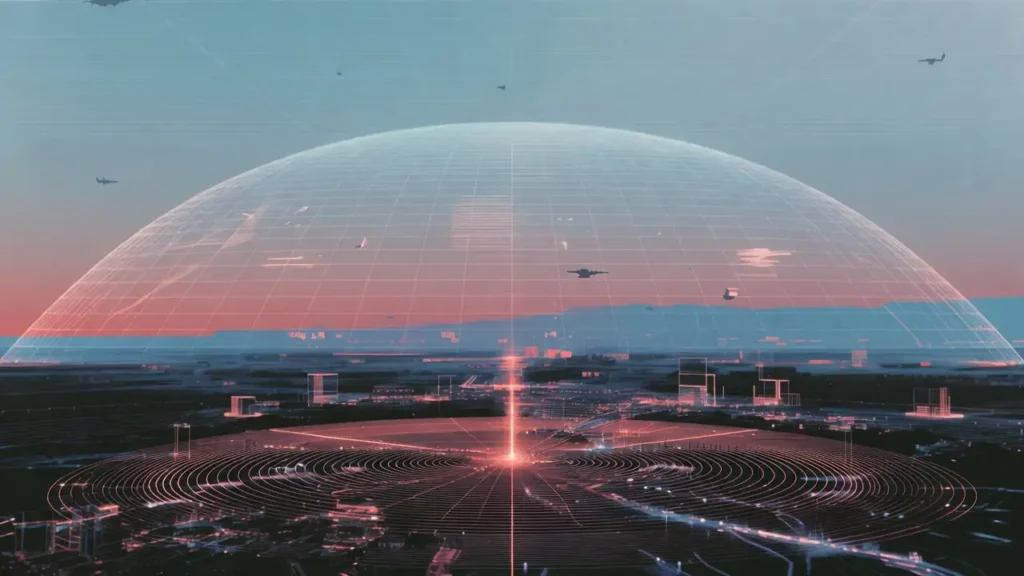
The second strategic action is the creation of what can be described as an invisible defensive wall. The United States previously believed that striking Iran’s nuclear facilities would be relatively easy. However, Russia’s direct involvement has changed that calculation entirely.
Reports indicate that Iran is receiving Russia’s globally recognized S-400 air defense system and related technologies. This system is capable of detecting and destroying enemy missiles, drones, and even stealth aircraft from distances of up to 400 kilometers. As a result, Iranian airspace is now compared to a heavily fortified fortress. Any attempt to attack Iran from the air would be extremely risky and could amount to a suicidal mission. This enhanced defense capability exists largely because of Russia’s backing.
Space and Cyber Warfare Capabilities
The third strategic move involves space and cyber warfare, an area that is invisible to the naked eye but deeply dangerous. Russia is known to possess advanced capabilities in both space-based surveillance and cyber operations, and it is now sharing this expertise with Iran.
With Russian assistance, Iran has launched military satellites into orbit, reportedly using rockets toward the end of 2025. These satellites allow Iran to monitor American military bases, naval movements, and troop deployments across the Middle East in real time. Israeli military movements can also be observed with greater clarity. Additionally, Russia’s advanced electronic jamming technologies can be used to disrupt enemy missile guidance systems, altering their trajectories and neutralizing attacks before they reach their targets. Through these methods, Iran is steadily gaining control over non-visible but highly decisive domains of modern warfare.
Hypersonic Missile Technology
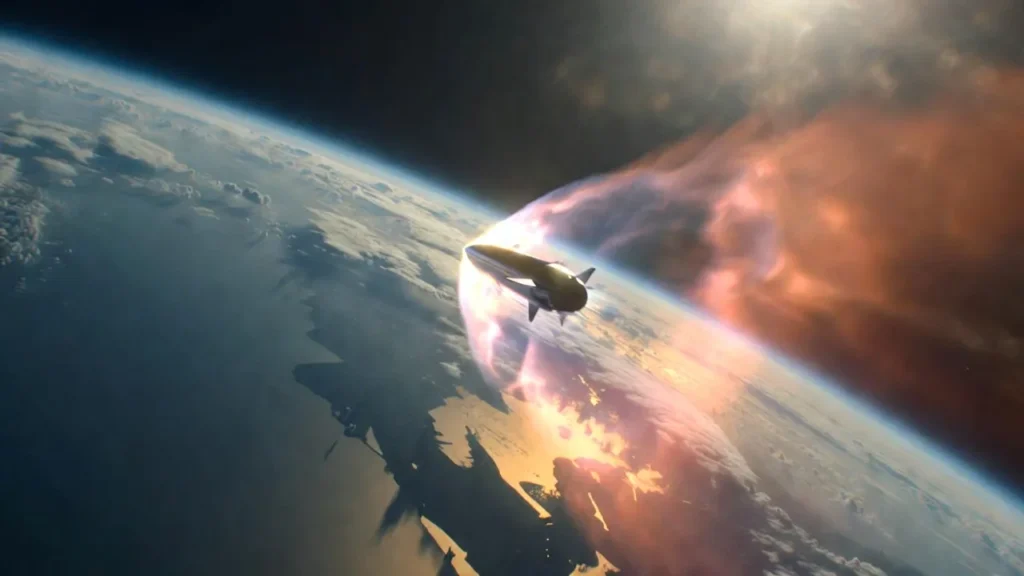
The fourth and most dangerous strategic action is related to hypersonic missile technology. Hypersonic weapons are widely considered unstoppable by existing air defense systems. These missiles travel at speeds up to five times the speed of sound.
Iran has already claimed to have developed its own hypersonic missile. However, intelligence agencies suspect that Russia may be sharing elements of its most advanced missile technologies, such as the Zircon or similar systems, with Iran. If this technology is fully transferred, Iran would gain the capability to destroy American military bases within minutes. This possibility represents a dramatic escalation and is one of the primary reasons the United States is deeply alarmed.
A Global Power Shift
When these four strategic actions are considered together, a clear picture emerges. Russian President Vladimir Putin appears to be attempting a geopolitical checkmate against the United States. Iran is no longer isolated. Any attack on Iran would risk triggering a much larger global conflict, as Russia now stands firmly behind Tehran.
The United States finds itself trapped between two dangerous choices. Attacking Iran could provoke an unpredictable and devastating counter-response, while choosing not to act allows Iran to grow stronger with each passing day. This dilemma defines the current state of global tension.
What is becoming increasingly clear is that the United States can no longer act unilaterally on the world stage. Powerful nations such as Iran, Russia, and China are no longer willing to allow one country to dictate global outcomes. The balance of power is shifting, and the consequences of that shift will shape the future of international politics.
Overall Explanation of the Article
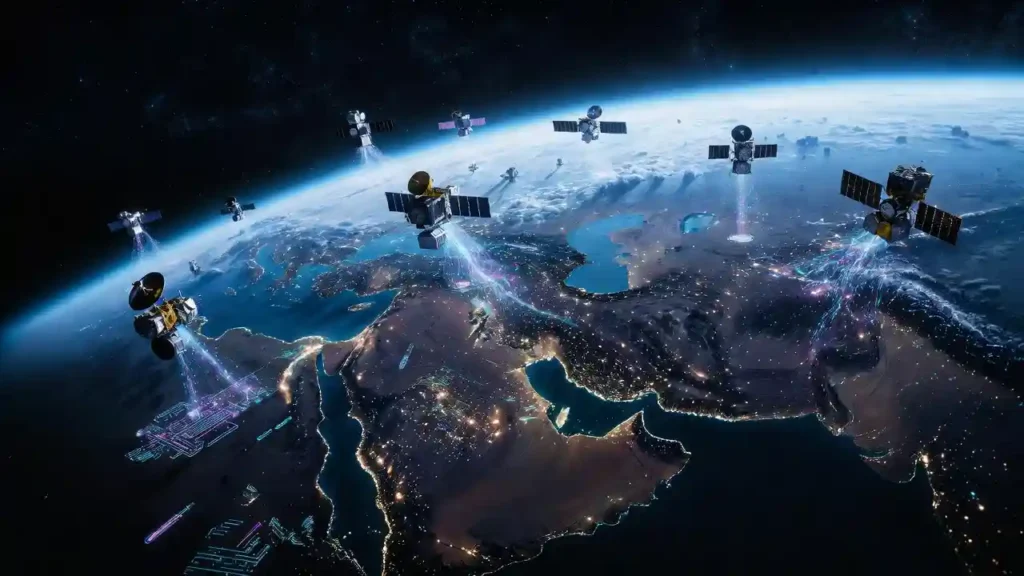
The article explores a critical moment in modern global politics, focusing on the escalating tension between Iran and the United States and the decisive role Russia is playing in reshaping that balance. At its core, the article argues that Iran is no longer a militarily isolated state. Through a strategic partnership with Russia, Iran has significantly strengthened its defense, surveillance, and strike capabilities. This shift challenges the long-standing dominance of the United States in the Middle East and signals a broader transformation in global power dynamics.
The article emphasizes that this is not merely a diplomatic agreement on paper. The partnership has moved into an operational phase, with tangible military, technological, and strategic consequences. Satellite imagery, intelligence assessments, and international media reports all point toward a new reality in which Iran’s military posture has become far more resilient and complex.
Strategic Advantages (Pros) Highlighted in the Article
One of the main advantages discussed is Iran’s enhanced deterrence power. With advanced fighter jets, air defense systems, and missile technologies, Iran can now defend its airspace more effectively than before. This reduces the likelihood of sudden airstrikes and makes military action against Iran far more costly for any aggressor.
Another major advantage is regional stability through balance of power. While this may sound counterintuitive, the article suggests that stronger defense capabilities can discourage reckless military actions. When the cost of conflict rises, nations are more likely to pursue diplomacy instead of force.
The article also highlights technological advancement as a benefit. Through cooperation with Russia, Iran gains access to modern military technology, space surveillance systems, and cyber warfare capabilities. These tools elevate Iran from a regional player relying on older systems to a state capable of operating within modern, multi-domain warfare environments.
Additionally, the partnership strengthens Iran’s strategic confidence. Knowing that a global military power like Russia stands behind it reduces Iran’s diplomatic isolation and increases its leverage in negotiations, whether related to security, sanctions, or regional influence.
Risks and Negative Consequences (Cons)
Despite these advantages, the article implicitly points to several serious risks. One of the biggest concerns is escalation. As Iran becomes more powerful, rival states may feel threatened, leading to arms races, proxy conflicts, or miscalculations that could spiral into direct confrontation.
Another major drawback is global instability. The involvement of major powers like Russia—and potentially others such as China—raises the risk that a regional conflict could expand into a much larger international crisis. What begins as tension in the Middle East could quickly affect global trade, energy supplies, and international security.
The article also hints at economic and civilian consequences. Increased militarization often diverts resources away from domestic development. While military strength may improve national security, it does not automatically translate into better living conditions for ordinary citizens.
There is also the risk of overreliance on alliances. Depending heavily on a powerful ally can limit a country’s strategic independence and entangle it in conflicts that do not directly serve its long-term national interests.
Key Lessons and Examples We Can Take
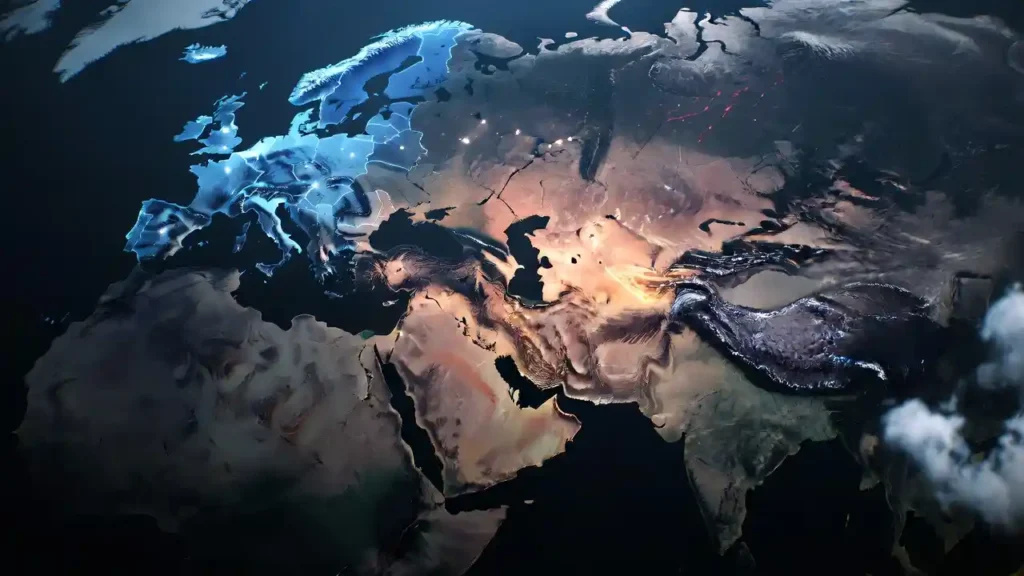
One important lesson from the article is that modern power is no longer defined by numbers alone, but by technology, alliances, and strategic positioning. Air superiority, cyber warfare, space surveillance, and hypersonic weapons matter more than traditional troop counts.
Another takeaway is the importance of strategic partnerships. Just as Iran benefits from Russian support, history shows similar patterns elsewhere. NATO’s collective defense system, for example, demonstrates how alliances can deter aggression without constant warfare.
The article also reinforces the idea that unilateral dominance is fading. The United States, once able to act with minimal resistance, must now consider the responses of other major powers. This mirrors global shifts seen in trade, technology, and diplomacy, where power is increasingly distributed rather than centralized.
A further example is how defensive capability can act as a form of diplomacy. Strong defenses do not necessarily mean a desire for war; they often exist to prevent one by raising the cost of conflict beyond acceptable limits.
Conclusion
The article ultimately presents a world at a crossroads. Iran’s growing military capability, backed by Russia, marks a significant shift in global power relations. The traditional model in which one superpower could dictate outcomes is being replaced by a more complex, multi-polar system.
This does not automatically mean war is inevitable. Instead, it means that decisions now carry greater weight and greater consequences. Every move must be calculated, because the margin for error is shrinking.
Final Message
The final message of the article is clear and powerful: the global balance of power is changing. Iran is no longer alone, Russia is actively reshaping geopolitical realities, and the United States can no longer act without considering serious repercussions. Whether this shift leads to greater stability or deeper conflict will depend on how wisely global leaders respond.
In the modern world, strength is not just about attacking—it is about deterrence, alliances, and restraint. The future will belong not to those who act impulsively, but to those who understand the new rules of power and navigate them with caution and clarity.