

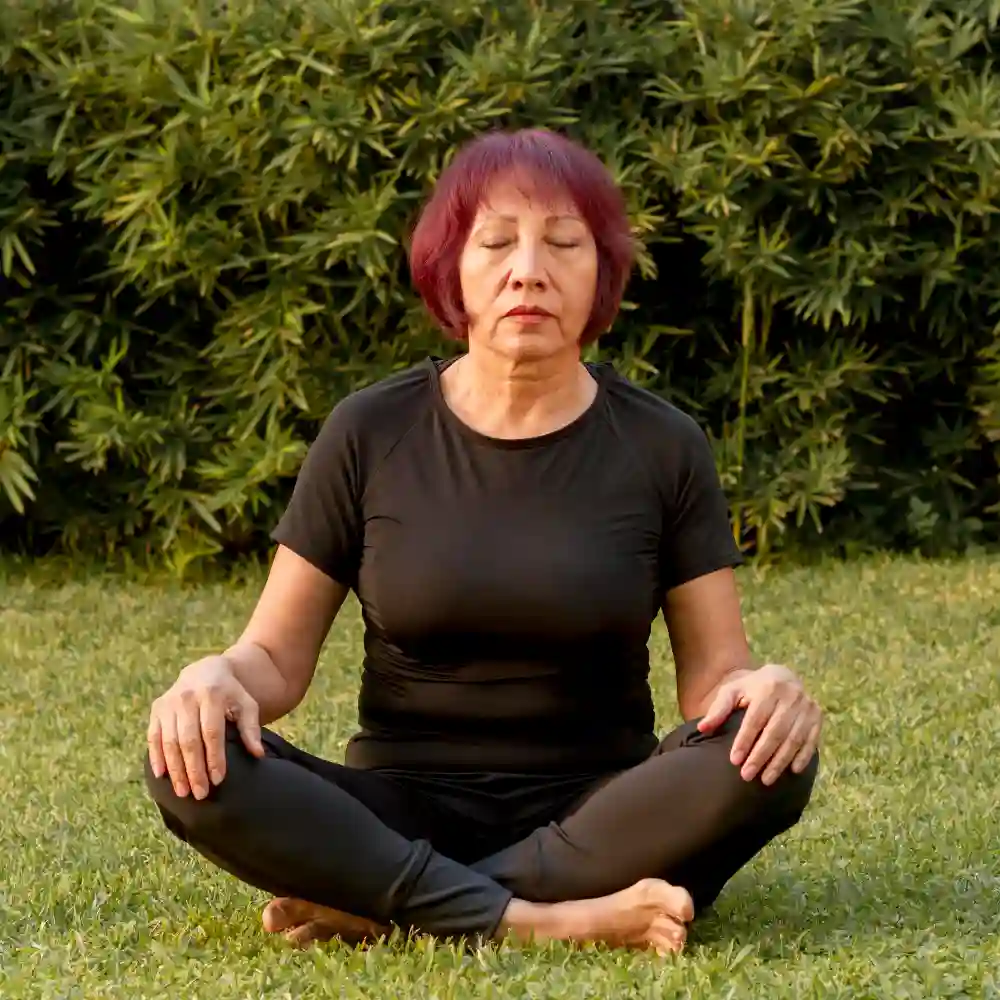
The Secret Behind Japan’s Healthy 100-Year-Olds
Did you know that Japan has more than ninety thousand people who are over one hundred years old? It is the country with the highest number of centenarians in the world. In many other countries, people spend large amounts of money on gyms, exercise machines, supplements, and medicines. Yet after the age of fifty, chronic illnesses, joint pain, muscle stiffness, and memory problems often begin to appear.
So what is Japan’s secret? It is not sushi. It is not green tea. It is not simply good genetics.
Researchers from Harvard Medical School conducted long-term studies to understand why such a large number of Japanese people live healthy lives even beyond the age of one hundred. What they discovered surprised the entire world. The reason was not intense workouts or expensive treatments. The secret lies in six simple daily movements that Japanese people naturally practice every day.
These movements are not complicated. In fact, some Western doctors once dismissed them as insignificant. But research shows that if practiced daily, these simple actions can make a person feel seven to ten years younger.
Let us explore these six powerful habits.
1. Slow Walking – The Sempo Method
The first movement is slow walking. Forget everything you think you know about walking exercises. In Japan, many elderly people practice a method known as Sempo every morning.
The breathing pattern is simple. Take two steps while inhaling. Hold your breath for two steps. Then exhale slowly over four steps. That is all.
Although it looks simple, the results are powerful. This breathing-based walking improves heart function, nerve activity, memory, and overall circulation. A ten-year study conducted at Kyoto University revealed that this walking method significantly reduced arterial stiffness in older adults.
It is calm. It is gentle. But it is deeply effective.
2. Radio Taiso – The Morning Awakening Ritual
Every morning at six o’clock in Japan, soft piano music is broadcast on national radio. It is not news. It is not weather updates. It is a signal for movement.
Millions of people, young and old, follow this three-minute and fifteen-second routine known as Radio Taiso. The exercises are gentle. Raising the arms, bending forward and backward, stretching lightly.
A study involving eight thousand elderly participants showed that this routine helped reduce back pain significantly. Even people in their eighties are able to maintain flexible hips and shoulders because of this daily three-minute practice.
It is not intense exercise. It is consistent movement.
3. The Squatting Posture
Squatting is becoming rare in many countries. However, in Japan, it remains a natural posture. Elderly people sit in a deep squat while reading, gardening, maintaining bonsai plants, or simply talking.
Research suggests that most people in other countries cannot remain in a squat position for even thirty seconds after the age of sixty. But Japanese seniors maintain this ability because they practice it from childhood.
Squatting opens the hips, strengthens joints, reduces pain, and improves bladder control. Even staying in this posture for two minutes can provide remarkable benefits.
4. Standing on One Leg
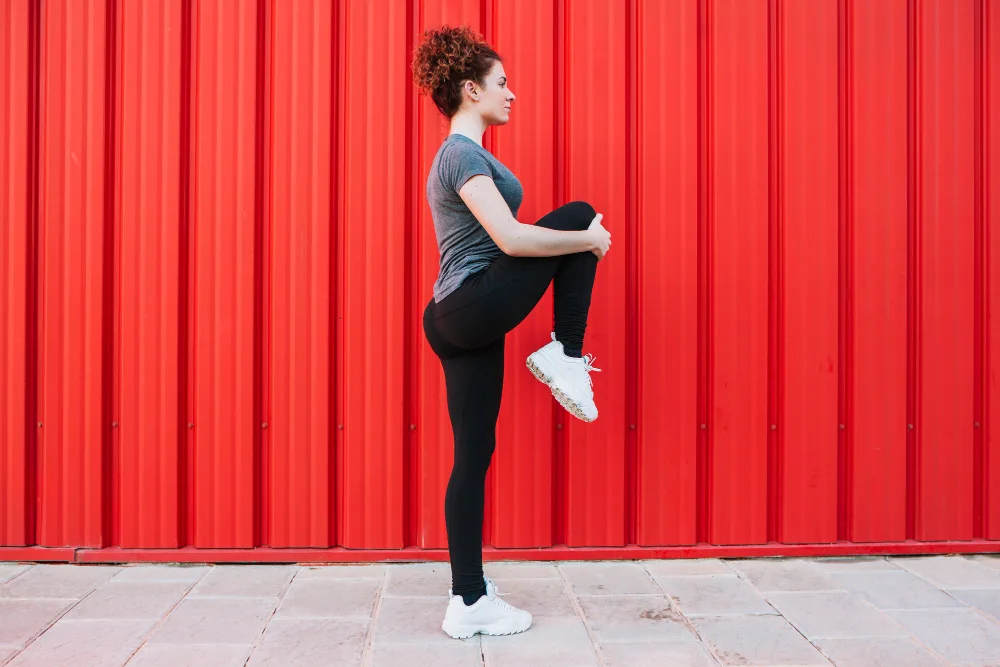
This may sound simple, even childish. But it is powerful. Japanese doctors often recommend standing on one leg for one minute, twice a day, instead of prescribing medication for aging-related decline.
This improves balance, strengthens muscles and joints, and enhances brain coordination. If needed, one can begin by holding onto a chair or table. With practice, standing without support becomes easier.
Such a small action, yet it significantly improves stability and reduces the risk of falls.
5. Sitting on the Floor and Rising Without Support
Japanese people often eat, drink tea, watch television, and relax while sitting on the floor. This means they repeatedly lower themselves down and rise back up many times a day.
Researchers discovered that if a person can sit on the floor and stand back up without support, it indicates good health and can predict better physical condition for the next six years.
This simple act strengthens coordination between the brain and muscles, improves balance, and enhances memory.
6. Towel Rotation – Tanukui Hibiki
The final movement is known as Tanukui Hibiki. It involves using a towel. Hold the towel shoulder-width apart. Pull it outward as if trying to tear it in half. Step one leg forward and gently rotate your waist to one side. Hold for five seconds. Return to the center and repeat on the other side.
Research since the 1990s suggests that this movement helps restore body balance, improve posture, and enhance coordination. It supports memory and helps maintain routine discipline as we age.
Just two minutes of this movement can gently reset the body.
Very Brief Description of the Entire Article
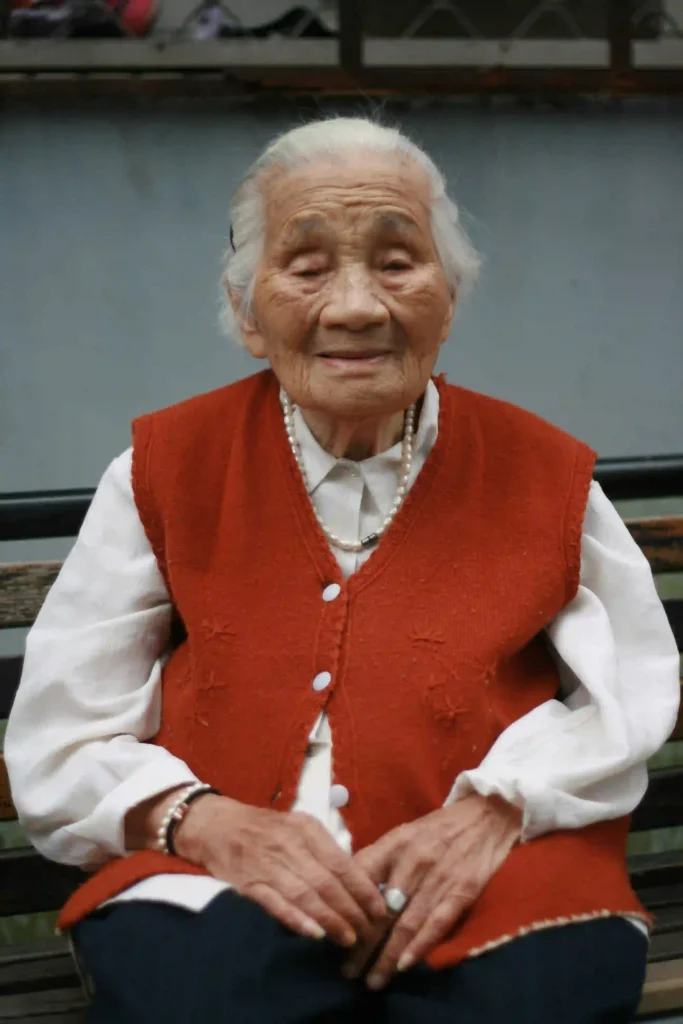
The article explains why Japan has the highest number of healthy people living beyond 100 years. It highlights that the secret is not special food, genetics, or expensive workouts, but six simple daily movements practiced consistently. Based on long-term research, including studies from Harvard Medical School, these gentle habits—such as slow walking, squatting, standing on one leg, and simple stretching—help improve balance, strength, memory, and overall health. The main message is that small, consistent movements can keep the body youthful and strong even after the age of fifty.
Pros
- Encourages simple and practical daily habits.
- Does not require expensive equipment or gym memberships.
- Suitable for almost all age groups.
- Focuses on natural body movement.
- Improves balance, flexibility, and coordination.
- Helps reduce joint stiffness and back pain.
- Supports memory and brain function.
Cons
- Results require consistency and patience.
- Some movements may be difficult for beginners or those with severe joint problems.
- Benefits may vary depending on individual health conditions.
- Not a replacement for medical treatment in serious illnesses.
Examples to Take Away
- Practice slow walking with controlled breathing for a few minutes every morning.
- Spend three minutes doing gentle stretches similar to Radio Taiso.
- Try squatting for short periods to improve hip mobility.
- Stand on one leg for one minute twice a day to improve balance.
- Sit on the floor and stand up without support to test and strengthen coordination.
- Use a towel to perform simple twisting movements for flexibility.
These are small actions that can be added easily into daily routines without stress.
Final Message
The true secret to long life is not intensity, but consistency. Health does not always require complicated routines or expensive solutions. Simple daily movements, done regularly, can protect the body, strengthen the mind, and help maintain youthfulness even in later years. Start small, stay consistent, and let simple habits create powerful results over time.