

Do you often feel angry when someone says something to you? Do you find yourself responding immediately, arguing back, or replaying the situation again and again in your mind? Do you feel anger when someone overtakes your vehicle on the road or behaves unfairly? Do these moments stay with you for days or even weeks, making you think, “I should have said this,” or “I should have responded differently”? If so, you are someone who experiences anger frequently. This article is written especially for you.
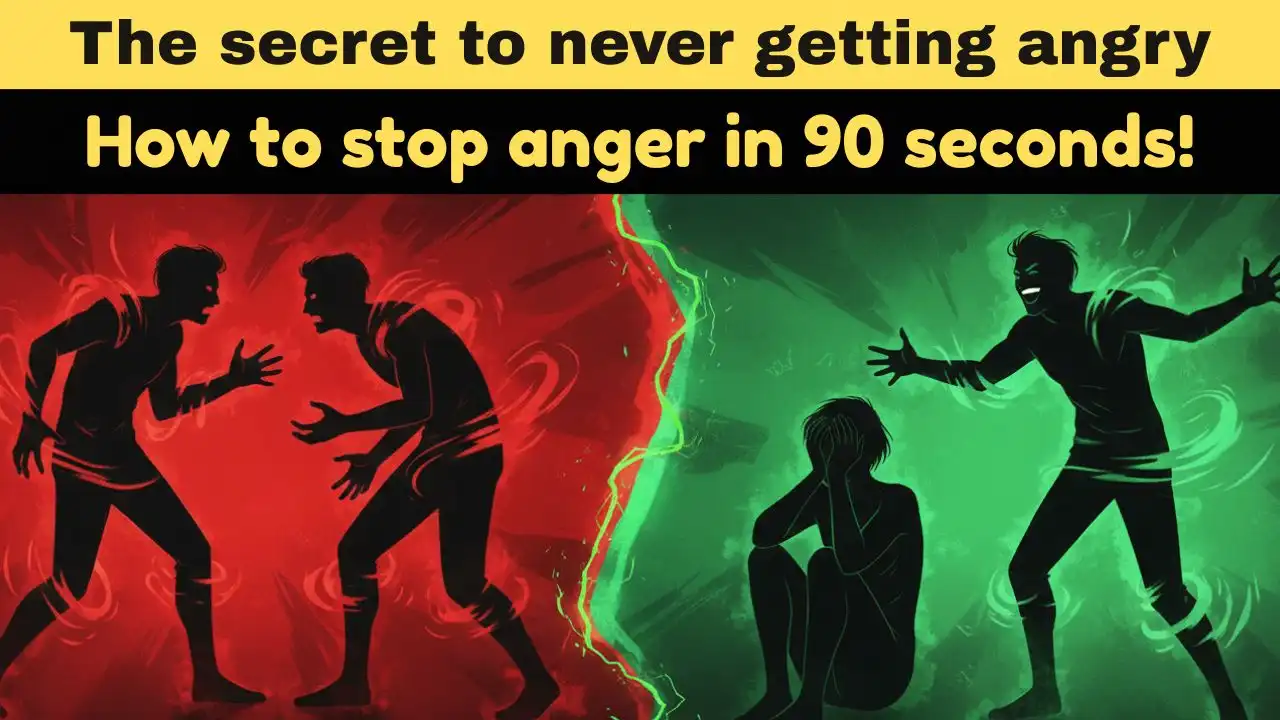
Most people believe anger lasts a long time, but science tells a very different story. According to medical science and neuroscience, anger itself lasts only about 90 seconds. That is roughly one and a half minutes. During this short period, stress hormones and chemical reactions rise in the body like a wave. If we do nothing, this wave naturally fades away. However, humans are very skilled at feeding anger. We replay events in our minds, relive words, imagine new arguments, and pour fuel onto the fire. That is why something that happened months ago can still make you angry today. The anger is no longer real; it is being constantly recreated by thought.
What determines whether anger disappears or stays with us for weeks is the decision we make during those 90 seconds. If we allow the chemical reaction to pass, anger ends. If we feed it with thoughts, it stays. The next time anger arises, pause for a moment and consciously decide, “I will not feed this. I will let it pass.” This single pause can create calm and clarity.
The first method is awareness of time. When anger appears, remember that it is temporary. If you can stay present and calm during those seconds, anger will dissolve on its own.
The second method is breaking a common illusion. Many people believe others have the power to make them angry. This is not true. No one can control you unless you give them that control. The moment you allow someone’s words or actions to disturb your inner state, you hand over your emotional control. When someone tries to provoke you or hurt you, let their words stop with them. Do not carry them inside you. Taking things personally is what keeps anger alive.
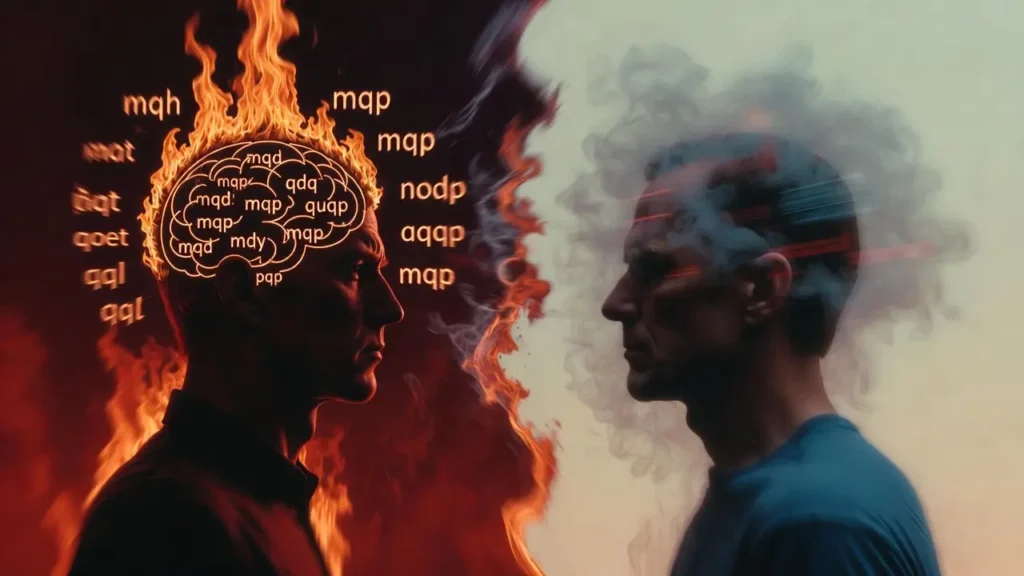
The third method is understanding the true role of anger. Anger is not always the real emotion. Often, it is a protective guard. Beneath anger, there may be pain, fear, sadness, or embarrassment. When someone criticizes you and you feel angry, the anger is protecting a deeper wound. For example, when a partner becomes angry because a special day was forgotten, the real emotion is not anger but the pain of feeling unimportant. The next time anger arises, ask yourself what emotion is hiding underneath. Do not use anger to express pain.
The fourth method is choosing your response wisely. Whenever anger appears, you are given a choice. For example, if someone sends you a hurtful message, your immediate reaction may be to reply angrily. Instead, ask yourself one simple question: “Which response will I be proud of tomorrow?” This question shifts you from automatic reaction to intelligent choice. Using awareness instead of impulse prevents regret.
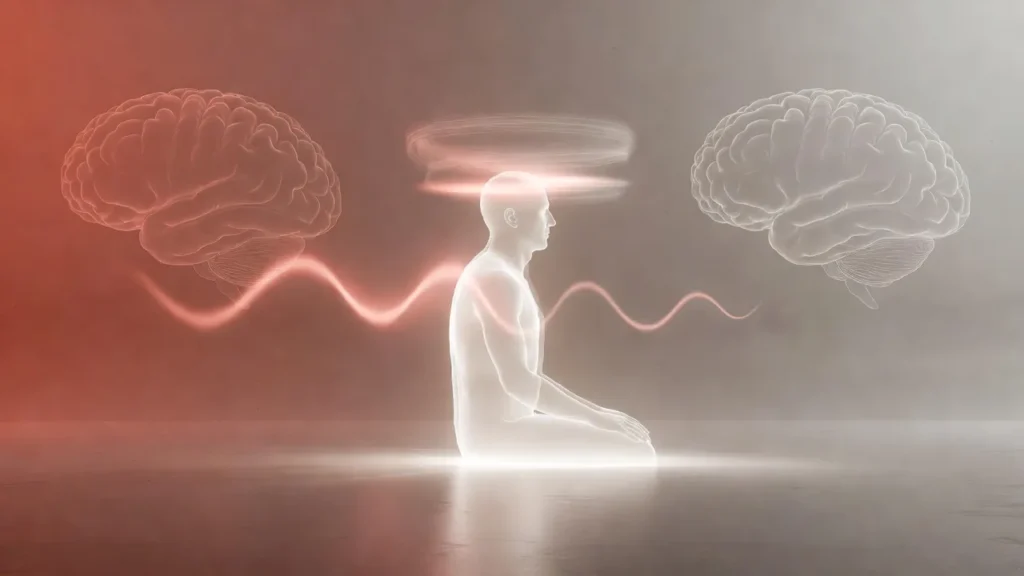
The fifth method is becoming a calm observer. Within you, there is a quiet and aware observer who can notice emotions without reacting to them. When anger arises, simply notice it and acknowledge, “Anger is present right now.” Observe how it feels in the body and mind without trying to fight it. Scientists explain that observation alone weakens anger. When you stop reacting and start observing, anger begins to fade.
The sixth and final method is changing perspective. Difficult people in your life are not enemies; they are emotional trainers. A critical boss develops your resilience. A friend who crosses boundaries helps you strengthen your limits. These challenges build qualities you could never develop alone. When you see difficult people as teachers rather than threats, anger transforms into understanding and even gratitude.
Anger is not a small issue. Scientists describe it as harmful because the toxic chemicals it releases can damage both mental and physical health. That is why learning to handle anger is not about suppression but awareness and intelligent response. The next time anger appears, do not add anger to anger. Use one of these six methods and allow the moment to pass naturally.
Overall Explanation of the Article
The article focuses on understanding anger not as a permanent emotional state, but as a short-lived biological reaction that becomes long-lasting only when humans repeatedly feed it with thoughts. The core message is that anger itself is not the real problem; the problem is how people respond to it. By combining insights from neuroscience, psychology, and real-life behavior, the article explains why anger feels powerful, why it lingers for days or months, and how it can be dissolved calmly using awareness and conscious choice.
The article guides the reader from self-recognition to self-control, helping them realize that anger is a momentary signal, not a life sentence. It also reframes anger as a protective mechanism rather than a weakness, encouraging emotional intelligence instead of suppression.
Key Advantages (Pros) of the Ideas in the Article
One major advantage of the article is that it removes guilt and self-blame. Many people believe that feeling angry means they are bad, weak, or emotionally unstable. The article clearly explains that anger is a natural chemical response in the body, which helps readers feel normal rather than ashamed.
Another strong benefit is its scientific grounding. The explanation that anger lasts about 90 seconds gives readers a concrete time frame. This makes anger feel manageable and temporary rather than overwhelming. Knowing that anger naturally fades helps people pause instead of reacting impulsively.
The article also promotes personal empowerment. It strongly emphasizes that no one has the power to control your emotions unless you give it to them. This shifts the mindset from being a victim of others’ behavior to being the owner of one’s emotional state.
A further advantage is the practical nature of the six methods. These are not abstract theories but actions that can be applied immediately in daily life. Observing anger, pausing before responding, and changing perspective are simple but powerful tools.
Finally, the article improves relationships and mental health. By reducing impulsive reactions, it helps prevent regret, conflict, and emotional damage that often result from unmanaged anger.

Possible Limitations (Cons) of the Ideas
One limitation is that the methods require practice and self-discipline. In intense emotional situations, especially when habits are deeply rooted, applying these techniques may feel difficult at first.
Another challenge is that the article focuses mainly on individual responsibility. While this is empowering, it may feel heavy for people who are constantly exposed to toxic environments or abusive behavior, where anger is repeatedly triggered.
Additionally, some readers may initially struggle with the idea of seeing difficult people as “emotional trainers.” Without proper understanding, this concept could feel unrealistic or emotionally challenging.
However, these are not weaknesses of the ideas themselves, but rather reflections of the effort required to change long-standing emotional patterns.
Practical Examples from Everyday Life
A common example is road rage. When someone overtakes aggressively, anger rises instantly. According to the article, if you pause and recognize that this feeling will pass within seconds, you avoid unnecessary stress and danger.
Another example is workplace communication. A harsh message from a colleague or supervisor can trigger anger. Instead of replying immediately, asking “Which response will I be proud of tomorrow?” helps prevent conflict and protects professional relationships.
In personal relationships, forgetting an important date may lead to anger. The article explains that beneath this anger lies hurt or feeling unvalued. Expressing that pain calmly instead of reacting angrily leads to healthier communication.
On social media, criticism or negative comments often provoke emotional responses. Observing the anger instead of engaging prevents long-lasting emotional disturbance.
Conclusion
The article concludes that anger itself is not the enemy. The real danger lies in feeding anger with repetitive thoughts and automatic reactions. When people understand the biological nature of anger and learn to pause, observe, and choose their responses, anger loses its power.
By applying awareness during the brief window when anger arises, individuals can prevent emotional harm, protect their mental health, and improve their quality of life. The six methods presented act as tools for emotional maturity rather than emotional suppression.

Final Message of the Article
The final message is simple yet powerful: You are not controlled by anger unless you allow it. Anger is a temporary signal, not a permanent identity. When you stop reacting automatically and start responding consciously, you reclaim control over your emotions, your relationships, and your inner peace.
Mastering anger is not about becoming emotionless; it is about becoming aware, intelligent, and calm in moments that once controlled you.