
The Quiet Shift in a Noisy Digital World
1. The Noisy Digital Age
We are living in an extremely noisy era. By noise, we do not mean sound in the physical sense, but the constant digital noise that surrounds us the moment we open the internet or scroll through social media. This noise creates a kind of darkness that feels even heavier than real darkness. Advertisements, repeated reels, artificial creations, and emotionally manipulative visuals flood our screens. For example, during the recent flood season, many videos circulated online showing dramatic scenes such as a tiger climbing onto an elephant’s back or an elephant rescuing a deer. Many people reacted emotionally, praising the kindness of animals. However, most of these creations were artificial. Today, society is reaching a point where it is difficult to distinguish what is real and what is fabricated. The world now describes this situation as a never-ending digital shouting match.
At the same time that this digital noise grows louder, a significant group of people has started becoming silent.
2. The Rise of “Zero Posting”
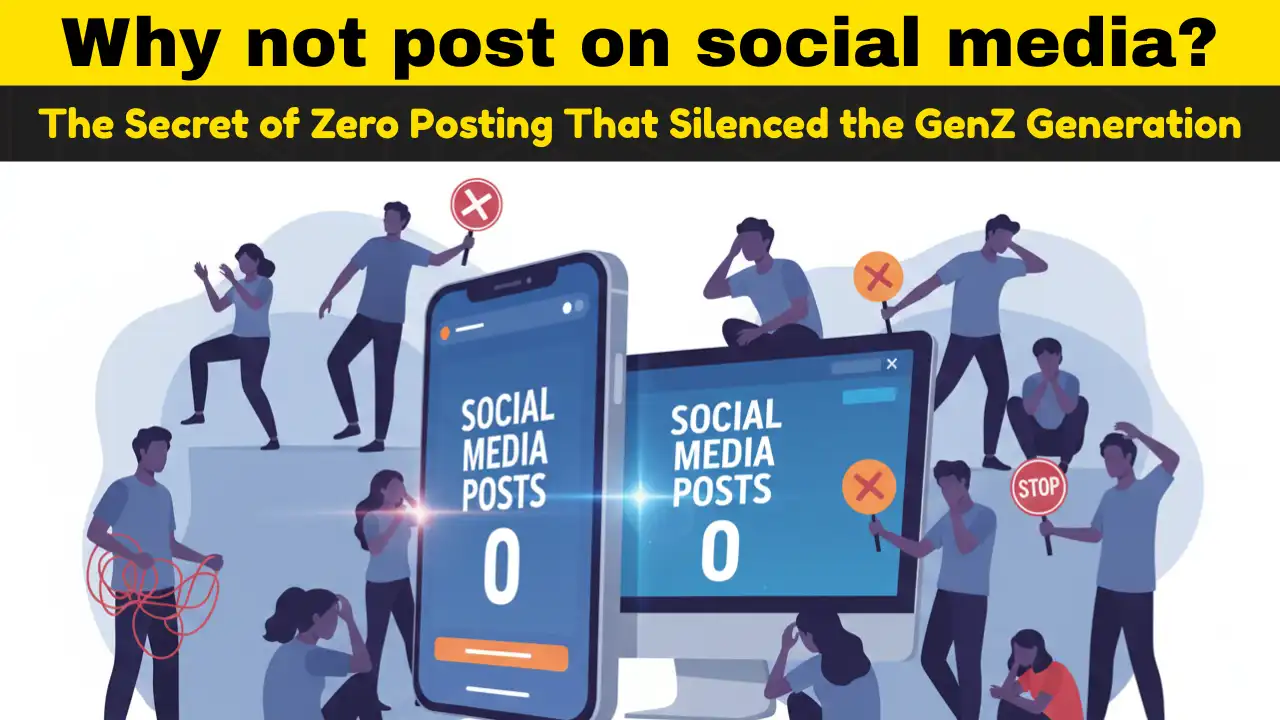
Many people, especially from the younger generation known as Generation Z, are gradually stepping away from social media. This is not about people who never posted in the first place. This is about those who were once highly active online but are now choosing to withdraw. Across the world, a growing number of young people no longer share details of their personal lives, daily activities, or visited places on social media. This global trend is known as “Zero Posting.” The meaning is simple: choosing not to post.
It has become one of the newest and most discussed trends in global social media culture.
3. Research Findings and Global Data
This is not merely a casual observation. It is based on a large international survey conducted across 50 countries, involving 20,000 participants. According to the data, a significant portion of users worldwide have either reduced or completely stopped using social media. Social media usage has noticeably declined. One of the primary reasons identified is the withdrawal of Generation Z from active participation. Zero Posting reflects a new social reality: people are no longer compelled to share their lives publicly.
Why is this happening? There are three main reasons.
4. Reason One – A Highly Commercialized Digital Marketplace
In the past, social media was chaotic but human. People posted what they ate, where they went, gym selfies, beach photos, and spontaneous moments. It lacked structure, but it had genuine human warmth. People collectively shaped those spaces.
Today, social media feels more like a marketplace. The feed is highly structured and strategically organized. Instead of seeing friends’ updates, users are confronted with advertisements, promotions, and unrealistic promises. After viewing a friend’s photo, the next posts often promote skincare solutions, quick money-making schemes, or motivational teachers promising impossible results.
Much of this content is unrealistic. Bots, artificial creations, and automated systems now dominate large parts of the digital environment. Real human presence is slowly being replaced by paid promotions and content engineered for engagement. As a result, people feel that remaining in such spaces lacks meaning. Real life is gradually withdrawing from social media, replaced by carefully crafted posts and commercial messaging.
Essential Point: Social media has shifted from a human connection space to a commercialized marketplace dominated by bots and advertisements.
5. Reason Two – Social Judgment and Fear of Permanent Misinterpretation

Many people who practice Zero Posting still maintain social media accounts. They observe what others share, but they themselves do not post. The reason lies in fear.
Today’s social climate makes people uncertain about how their posts will be interpreted. A single wrong word or photo can create misunderstanding. There is a fear that once something is posted, it remains permanently visible and may shape a lasting negative impression. Many prefer silence over risk.
Additionally, social media is no longer filled with simple breakfast photos or beach selfies. Feeds are now dominated by disasters, floods, conflicts, and social crises. These events occur continuously across different parts of the world. As one country faces difficulty, another follows. From a global perspective, crisis appears constant.
For young people especially, participating in such an environment may feel overwhelming or misaligned with their personal values. Choosing not to post becomes a way to protect themselves emotionally and socially.
Essential Point: Fear of judgment and the permanence of digital mistakes discourage people from sharing personal content.
6. Reason Three – The “Dead Internet Theory”
The third reason is what is known as the “Dead Internet Theory.” This idea suggests that much of today’s internet is no longer driven by real humans but by bots. According to a 2024 survey, a large portion of activity across feeds and social platforms is generated by automated systems rather than authentic users.
Artificial intelligence now creates videos and images. Fake accounts generate artificial engagement. Content farms produce mass content in identical styles and formats, like items manufactured in a factory. Unlike the earlier days when individuals shared personal experiences and genuine emotions, today’s content often appears repetitive, mechanical, and strategically designed.
Because of this shift, even pressing the “post” button feels like a complex social decision. What was once spontaneous has become calculated.
Essential Point: The growing dominance of bots, artificial intelligence, and content farms reduces authentic human interaction online.
7. The Loss of Human Touch
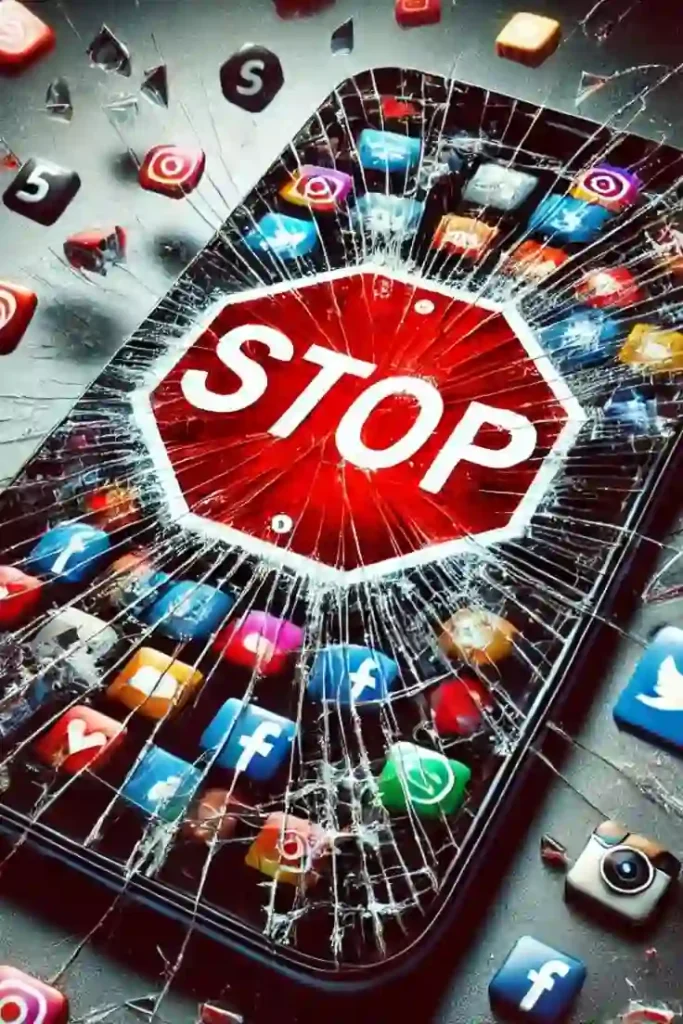
Despite everything, the internet is not as noisy as it appears, and those who post are not as loud as we imagine. Social media was originally built to connect people. It once carried a strong human touch. That warmth is gradually fading. Human emotions are becoming less visible.
The earlier messy yet genuine version of social media may have lacked structure, but it felt alive. Today’s structured, algorithm-driven environment feels controlled and distant.
This shift explains why pressing the “post” button now feels exhausting.
8. Conclusion – Can Social Media Return to Its Roots?
The central question remains: can social media return to its original human-centered form? If platforms recreate spaces where authentic connection matters more than performance, perhaps usage will rise again. If not, the trend of withdrawal may continue.
According to the survey’s final conclusions, unless meaningful human connection is restored, more people may distance themselves from social platforms in the future.
Zero Posting may seem paradoxical, even ironic. Yet it reflects a deep truth about our time: in a world filled with digital noise, silence has become powerful.
The decision to post—or not to post—has become a social statement.